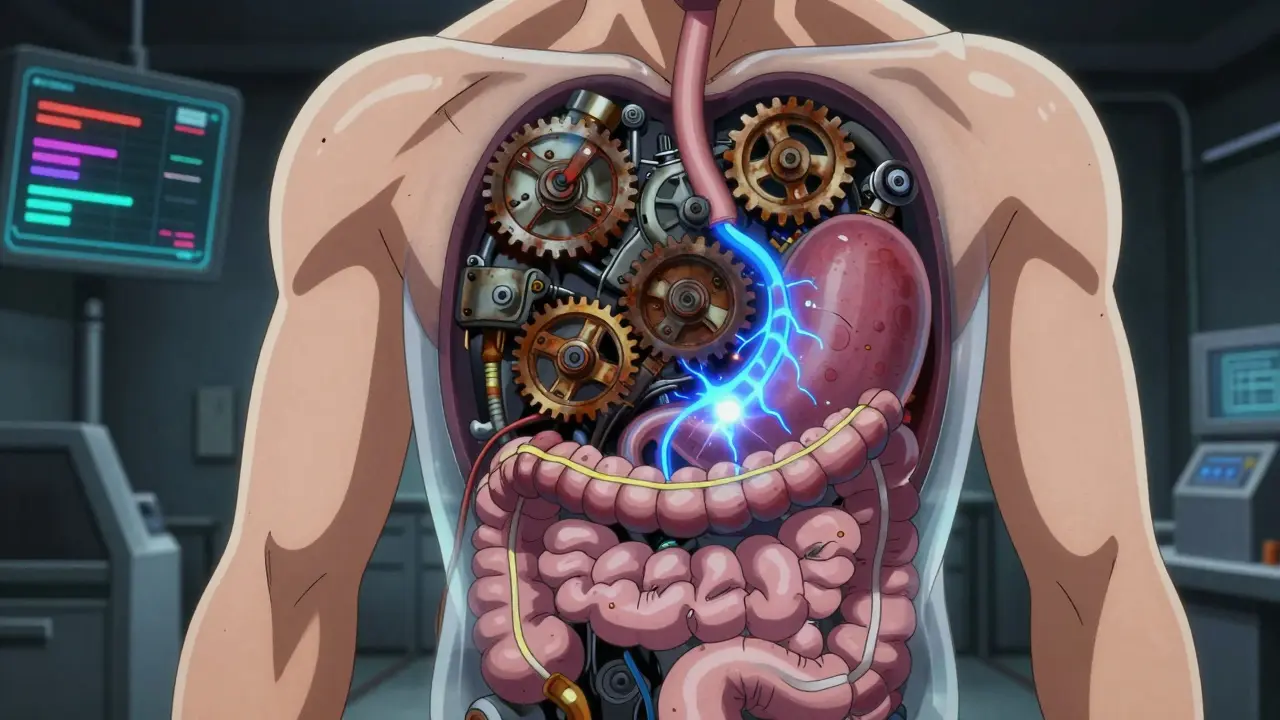
Imagine taking a bite of your favorite meal, only to feel like it’s sitting in a heavy stone block inside you hours later. That is the daily reality for millions living with Gastroparesis, a condition defined by delayed gastric emptying without mechanical obstruction. It is not just "indigestion." It is a disorder where the stomach muscles fail to grind food properly or move it into the small intestine at the right speed. For those managing this, every meal becomes a calculated risk.
If you have been diagnosed with gastroparesis, or if you suspect you might have it due to persistent nausea and early fullness, understanding how to eat is your first line of defense. This guide breaks down exactly what happens in your stomach, which foods trigger symptoms, and specific dietary strategies that actually work based on current clinical guidelines.
Understanding Delayed Gastric Emptying
To manage gastroparesis, you need to understand the mechanics behind it. Normally, your stomach performs two critical jobs: it relaxes to accept food and then churns that food into a liquid slurry before passing it through the pyloric sphincter into the small intestine. In gastroparesis, this process stalls.
The root cause often lies with the Vagus Nerve, which controls the muscles of the digestive tract. Damage to this nerve-commonly from diabetes, surgery, or viral infections-disrupts the signals telling your stomach to contract. According to data from the American College of Gastroenterology, about 35% of cases are linked to diabetes, while 30% are idiopathic, meaning no clear cause is found.
Diagnosis typically involves a gastric emptying study. If less than 10% of a meal empties after one hour, or less than 40% after two hours, doctors usually confirm delayed gastric emptying. Recognizing these metrics helps explain why standard advice like "eat more fiber" can be disastrous for someone with this condition.
Key Symptoms Beyond Nausea
Nausea is the most reported symptom, affecting up to 90% of patients. However, relying solely on nausea as an indicator can lead to misdiagnosis. You should look for a cluster of specific signs:
- Early Satiety: Feeling completely full after only a few bites. About 85% of patients experience this, making it difficult to maintain weight.
- Postprandial Fullness: A sensation of heaviness or bloating that lasts for hours after eating.
- Vomiting Undigested Food: Unlike typical vomiting, this often involves food eaten hours or even days prior, indicating severe stasis.
- Bloating and Abdominal Pain: Caused by gas buildup and fermentation of stagnant food.
If these symptoms persist for three months or longer, they meet the clinical threshold for chronic gastroparesis. Distinguishing these from functional dyspepsia is crucial because the treatment paths diverge significantly.
The Gastroparesis Diet: What to Eat and Avoid
Dietary modification is the cornerstone of management, with studies showing 65% of patients achieve significant improvement through diet alone. The goal is to reduce the workload on your stomach. Here is how to structure your intake.
Foods to Avoid (The Triggers)
Certain textures and nutrients physically slow down gastric emptying or irritate the stomach lining. You should strictly limit or eliminate:
- High-Fat Foods: Fat delays gastric emptying by 30-50%. Avoid fried foods, fatty cuts of meat, butter, cream, and oily sauces. Keep fat intake under 3 grams per meal.
- High-Fiber Vegetables and Fruits: Raw fibrous foods are hard to break down. Avoid celery, broccoli, corn, kale, and skins of fruits. These can form bezoars (hard masses of undigested food).
- Tough Meats: Steak, chicken breast with skin, and pork chops require extensive churning. They sit in the stomach too long.
- Carbonated Beverages: Gas increases gastric distension by 25%, worsening bloating and pain.
Foods to Embrace (The Safe List)
Your diet should focus on easily digestible, low-residue options. Think soft, cooked, and blended.
- Lean Proteins: Skinless poultry, fish, eggs, tofu, and Greek yogurt. These provide necessary nutrition without excessive fat or fiber.
- Cooked Vegetables: Carrots, zucchini, spinach, and green beans, but only when cooked until very soft. Peeling them removes insoluble fiber.
- Refined Grains: White rice, white pasta, and sourdough bread are easier to digest than whole grains. Quinoa can be tolerated if well-cooked and rinsed thoroughly.
- Smooth Liquids: Broths, smoothies (without seeds or pulp), and nutritional shakes. Liquids generally empty faster than solids.
Practical Eating Strategies for Daily Life
What you eat matters, but how you eat matters just as much. Implementing these behavioral changes can drastically reduce symptom severity.
1. Small, Frequent Meals
Instead of three large meals, aim for five to six mini-meals per day. Limit each portion to 1-1.5 cups (approx. 300-600 calories). Large volumes stretch the stomach wall, triggering nausea and slowing motility further.
2. Separate Solids and Liquids
This is a game-changer many overlook. Drinking fluids with meals increases gastric volume by 40%, which exacerbates fullness. Wait 30 minutes before and after eating to drink water. Sip 1-2 ounces every 15 minutes throughout the day rather than chugging large glasses.
3. Texture Modification
Chew your food thoroughly until it is liquid-like before swallowing. For tougher foods, use a blender or food processor. Reducing particle size to less than 2mm mimics the stomach’s job, allowing nutrients to pass through the pylorus more easily. Many patients find that blending soups or pureeing vegetables eliminates bloating entirely.
4. Post-Meal Movement
Avoid lying down immediately after eating. Gravity assists gastric emptying. Take a gentle 10-15 minute walk after meals to stimulate natural gut motility without causing reflux.
Comparison of Dietary Approaches
| Strategy | Mechanism | Effectiveness | Best For |
|---|---|---|---|
| Low-Fat Diet | Reduces delay in emptying caused by fat hormones | High | Persistent nausea and fullness |
| Low-Residue/Low-Fiber | Prevents bezoar formation and reduces chewing needs | Very High | Bloating and vomiting undigested food |
| Liquid Nutrition | Bypasses need for mechanical grinding | Moderate | Severe cases or acute flare-ups |
| Blended/Pureed Foods | Reduces particle size to <2mm | High | Patients who struggle with solid textures |
When Diet Isn't Enough: Medical Interventions
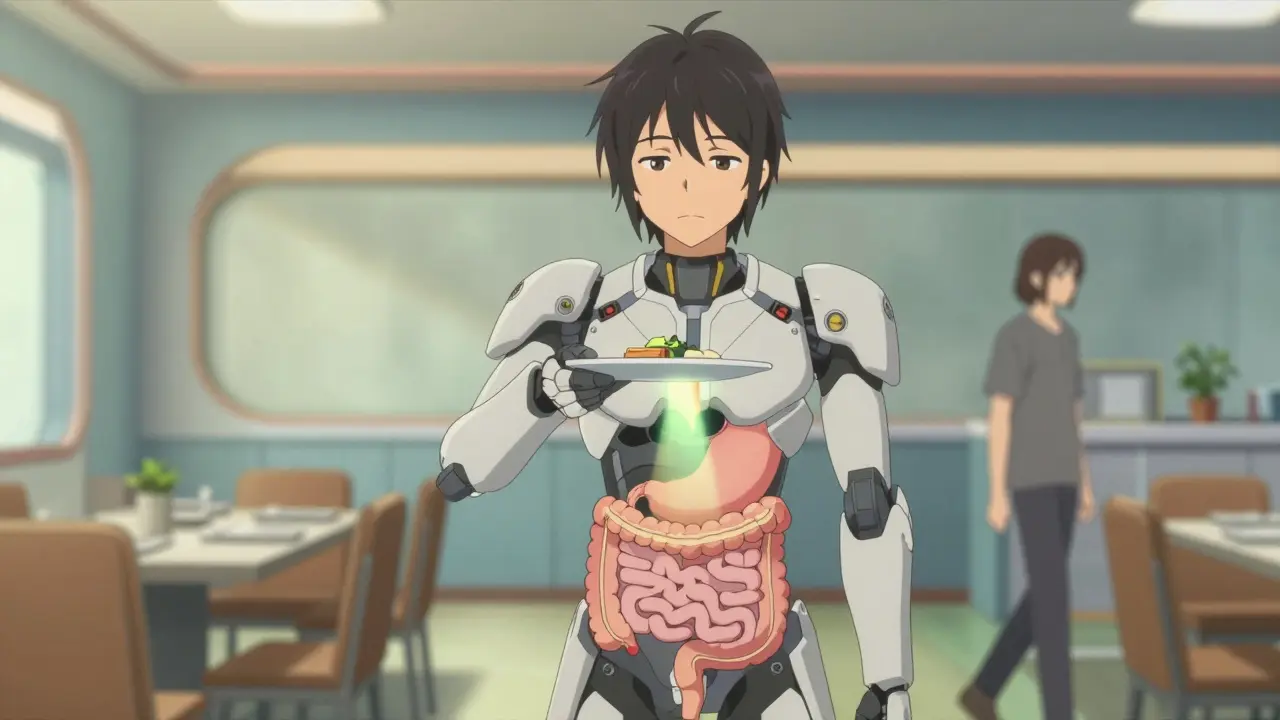
While diet is the first step, moderate to severe gastroparesis often requires additional support. If you follow strict dietary protocols for 8-12 weeks with little relief, consult your gastroenterologist about these options:
- Prokinetic Medications: Drugs like metoclopramide help stimulate stomach contractions. They improve emptying in about 50-60% of patients but require careful monitoring for side effects.
- Gastric Electrical Stimulation (GES): An implanted device that sends electrical pulses to the stomach muscle. It doesn’t speed up emptying directly but can significantly reduce nausea and vomiting in refractory cases.
- Per-Oral Pyloromyotomy (POP): An endoscopic procedure that cuts the pyloric muscle to widen the opening into the small intestine. Recent trials show success rates of 60-70% in reducing symptoms.
For diabetic patients, controlling blood sugar is non-negotiable. Hyperglycemia independently slows gastric emptying. Uncontrolled diabetes causes glucose fluctuations in 85% of gastroparesis patients, creating a vicious cycle of worsening symptoms.
Managing Complications and Quality of Life
Living with gastroparesis takes a toll. Anxiety around eating affects 65% of patients, leading to social isolation. Remember that this is a medical condition, not a choice. Keeping a detailed food and symptom diary can help identify personal triggers-80% of patients find specific problematic foods through this method.
Watch for signs of complications such as dehydration (dry mouth, dark urine) or malnutrition (unintentional weight loss >10%). If you vomit frequently, electrolyte imbalances like hypokalemia can occur, requiring immediate medical attention. Working with a registered dietitian specializing in gastrointestinal disorders improves outcomes by 40% compared to self-management.
Can gastroparesis go away on its own?
In some cases, particularly post-viral or post-surgical gastroparesis, symptoms may improve over time as inflammation subsides. However, for chronic cases related to diabetes or nerve damage, it is typically a long-term condition requiring ongoing management rather than a cure.
Is the gastroparesis diet restrictive forever?
Not necessarily. During flare-ups, strict adherence to low-fat, low-fiber, and soft foods is crucial. As symptoms stabilize, you may gradually reintroduce certain foods under medical supervision. Many patients learn to tolerate a wider variety of foods by modifying texture and portion sizes.
What is a bezoar, and how do I prevent it?
A bezoar is a hard mass of undigested food, often made of fiber, that gets stuck in the stomach. To prevent it, avoid high-fiber foods like raw vegetables, fruit skins, and tough meats. Chew food thoroughly, consider blending meals, and stay hydrated between meals.
How does diabetes affect gastroparesis?
High blood sugar levels paralyze the stomach muscles, delaying emptying. Conversely, delayed emptying makes blood sugar spikes unpredictable. Managing both conditions simultaneously is critical; keeping glucose levels in target range can actually improve gastric motility.
Should I take probiotics for gastroparesis?
Current evidence is mixed. While some studies suggest microbiome modulation may help reduce bloating, probiotics are not a primary treatment. Always consult your doctor before starting supplements, as some strains may worsen bloating in sensitive individuals.
Erin Livengood
June 11, 2026 AT 01:53It is truly a marvel of the human body how such a delicate nerve can dictate our entire relationship with sustenance, turning a simple meal into a high-stakes gamble. The vagus nerve is like the silent conductor of an orchestra, and when it falters, the music of digestion turns into dissonant noise. I find myself thinking about the philosophical weight of 'waiting'-not for a bus or a lover, but for one's own stomach to process a bite of apple. It forces a kind of mindfulness that most people never have to cultivate, a forced pause in the relentless march of modern life.
shreya sinha
June 11, 2026 AT 07:30One must observe with profound disappointment the sheer laziness displayed by medical professionals who simply prescribe diet changes without addressing the underlying moral failing of modern society's reliance on processed convenience foods. It is quite evident that if individuals took the time to chew their food properly and respect the natural order of things, they would not suffer from such indignities as delayed gastric emptying. The article suggests blending vegetables, which is essentially admitting defeat against the fundamental laws of nature that require us to work for our nutrition through proper mastication rather than relying on electric appliances to do the labor for us. This approach fosters a culture of dependency and weakness.
Brett Webster
June 12, 2026 AT 12:13As someone who has worked closely with gastroenterologists, I can confirm that the separation of solids and liquids is often the most underutilized strategy in clinical practice. Many patients do not realize that drinking water with meals dilutes gastric juices and increases volume, which directly counteracts the stomach's ability to grind food. It is a small behavioral tweak, but the physiological impact is significant because it reduces the mechanical load on the pyloric sphincter. We see dramatic improvements in patient compliance when we explain the mechanics clearly rather than just listing forbidden foods.
Sherry Wheeler
June 13, 2026 AT 03:38Oh my goodness, reading this brings tears to my eyes because I know exactly what it feels like to be betrayed by your own body after eating something you loved! It is so important to remember that you are not alone in this struggle, and there is hope even when the nausea feels endless. Every small victory, like keeping down a smoothie or taking a gentle walk, is a triumph worth celebrating. You are stronger than you think, and your body is fighting hard even if it feels like it is standing still.
Lee Coates
June 13, 2026 AT 09:55Haha, look at all these people complaining about their stomachs while the rest of the world is out here dealing with real problems :P Maybe if you ate less garbage and more real food like our ancestors did, you wouldn't need a guide on how to eat liquid mush. But sure, keep blaming the vagus nerve instead of your own lack of discipline lol.
Miranda River
June 14, 2026 AT 01:35i mean obviously fiber is bad but why does everyone forget about the spiritual aspect of digestion?? its not just physical its energetic u know? like when ur stomach is full of undigested corn its blocking chakras or whatever. also i heard probiotics help but my friend said no so im confused. anyway blend everything until it looks like baby food and u will feel the universe aligning with your gut biome.
Brandon Brodsky
June 14, 2026 AT 11:27I suppose we should all just sit around and wait for our stomachs to fail us because apparently chewing is too difficult for modern humans. The suggestion to separate solids and liquids is laughable because nobody has time for that level of micromanagement of their own existence. It is just another example of how medicine tries to complicate simple biological functions with unnecessary rules that nobody follows anyway.
Ganesh Honikol
June 15, 2026 AT 05:24It is indeed very interesting to note that the correlation between diabetes and gastroparesis is so strong because high blood sugar levels literally paralyze the muscles of the stomach, which creates a vicious cycle that is very difficult to break without strict medical intervention. When we look at the data, we can see that controlling glucose levels is not just about preventing long-term damage but also about improving immediate quality of life by allowing the stomach to function more normally. Therefore, it is essential for diabetic patients to work closely with their healthcare providers to manage both conditions simultaneously, as neglecting one will inevitably worsen the other in a predictable manner.
Callie Skipper
June 16, 2026 AT 15:31honestly just stop eating steak and drink water between meals not during it seems pretty basic tbh
AnneKatherine Stiekes
June 17, 2026 AT 21:41it is nice to see people sharing their experiences because we are all connected in this journey and there is no right or wrong way to heal just what works for you so be gentle with yourself and try different things until you find peace
Emily Barnhill
June 19, 2026 AT 18:16We need to stop shaming people for needing dietary modifications because health issues are not a choice and everyone deserves to eat without pain. If you have gastroparesis, you are already fighting a hard battle, so let us support each other instead of judging how others manage their symptoms. Please remember that asking for help is a sign of strength, not weakness, and you are worthy of care and understanding regardless of what your plate looks like.