
Why Fertility Preservation Matters Before Chemotherapy
Chemotherapy doesn’t just target cancer cells-it can also damage your reproductive system. For many people, especially those under 40, the idea of losing the chance to have biological children later is as devastating as the cancer diagnosis itself. The good news? There are proven ways to protect your fertility before treatment starts. These options aren’t just theoretical-they’re used daily in hospitals across the world, including in Sydney and beyond. The key is acting fast. Once chemotherapy begins, the window for preserving fertility narrows quickly-sometimes to just days.
What Happens to Your Body During Chemotherapy?
Not all chemo drugs are equally damaging to fertility, but the majority are. Alkylating agents like cyclophosphamide, commonly used in breast, lymphoma, and leukemia treatments, are especially harsh on eggs and sperm. Studies show that 30% to 80% of premenopausal women who receive these drugs develop premature ovarian insufficiency, meaning their ovaries stop working years or decades earlier than normal. For men, sperm counts can drop to zero after just one cycle. The damage is often permanent, and there’s no way to reverse it after the fact. That’s why planning ahead isn’t optional-it’s essential.
Option 1: Sperm Banking for Men
This is the most straightforward and reliable option for men. It involves producing a semen sample through masturbation, which is then frozen and stored. No hormones, no surgery, no delays. The process takes less than an hour and can be done in a clinic or even at home with a collection kit. Most men are asked to abstain from ejaculation for 2-3 days before giving a sample to ensure the highest sperm count. After freezing, sperm can remain viable for decades. Success rates are high: when used in IVF, frozen sperm has a 40-60% motility rate after thawing, according to WHO standards. For men with aggressive cancers like leukemia, banking can be completed in under 72 hours-sometimes even the same day as diagnosis.
Option 2: Egg Freezing (Oocyte Cryopreservation)
For women, egg freezing is the most common choice. It starts with 10-14 days of daily hormone injections to stimulate the ovaries and produce multiple eggs. You’ll have regular ultrasounds and blood tests to track your response. Once the eggs are mature, they’re retrieved under light sedation using a thin needle guided by ultrasound. The eggs are then instantly frozen using a technique called vitrification, which prevents ice crystals from forming and damaging them. Survival rates after thawing are 90-95%. Each frozen egg has about a 4-6% chance of leading to a live birth. Most experts recommend freezing at least 15-20 eggs to give yourself a good shot at one day having a child. The big downside? It takes time. But new “random-start” protocols now allow women to begin stimulation at any point in their cycle, cutting the wait down to about 11 days on average.
Option 3: Embryo Freezing
Embryo freezing works the same way as egg freezing-but the eggs are fertilized with sperm before being frozen. This results in embryos, which have a higher chance of leading to pregnancy than unfertilized eggs. Success rates are 50-60% per transfer for women under 35. The catch? You need sperm. That means you need a partner or donor sperm. For single women or those not ready to choose a donor, this option isn’t practical. But if you’re in a stable relationship and comfortable with the idea of using donor sperm if needed, embryo freezing gives you the best odds of future parenthood.

Option 4: Ovarian Tissue Freezing
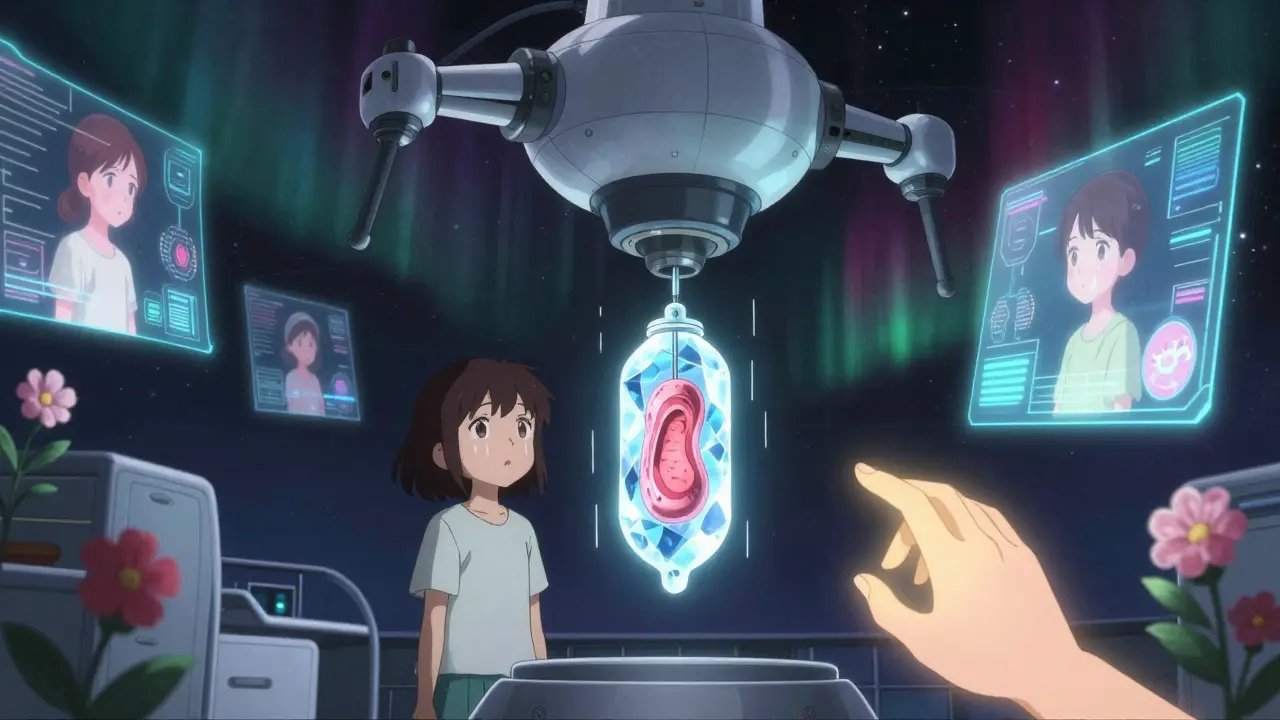
This option is the only one available for girls who haven’t gone through puberty yet-and it’s also a lifeline for women who can’t delay chemotherapy for two weeks of hormone stimulation. A small piece of ovarian tissue (about the size of a thumbnail) is removed through a minimally invasive laparoscopic procedure. The tissue, which contains thousands of immature eggs, is frozen. Later, after cancer treatment, it can be reimplanted. In some cases, women have regained natural fertility and even conceived without IVF. As of 2023, over 200 live births have been reported worldwide from this method. It’s still considered experimental by the FDA, but it’s widely used in Europe and Australia. The big advantage? No hormones. No delay. Just a quick surgery. The downside? It’s not guaranteed to work, and reimplantation carries a small risk of reintroducing cancer cells in certain blood cancers.
Option 5: Ovarian Suppression with GnRHa
This isn’t a fertility preservation method in the traditional sense, but it’s often used alongside others. GnRHa drugs like goserelin (Zoladex) are injected monthly to temporarily shut down the ovaries during chemo. Think of it like hitting pause on your menstrual cycle. Studies show it reduces the risk of premature ovarian failure by 15-20%. It doesn’t guarantee fertility, but it helps. Many women report severe menopausal side effects-hot flashes, night sweats, vaginal dryness-and some stop taking it because it’s too uncomfortable. Still, for women who can’t freeze eggs or embryos in time, this is a low-risk, non-invasive option that might help protect their ovaries.
Option 6: Radiation Shielding and Testicular Protection
If you’re getting radiation therapy to the pelvis or abdomen, shielding can make a huge difference. Custom lead shields are placed over the testicles or ovaries during treatment to block scattered radiation. Studies show this reduces exposure by 50-90%. But here’s the catch: shielding only works for radiation. It does nothing against chemo. So if you’re getting both, you still need sperm banking or egg freezing. For men, testicular shielding is simple and painless. For women, ovarian transposition-surgically moving the ovaries out of the radiation field-is an option, but it’s less common and not always effective.
Timing Is Everything
There’s no time to waste. The average cancer patient waits 17 days from diagnosis to starting treatment. But fertility preservation needs to happen before chemo begins. For men, sperm banking can be done in 48 hours. For women, even with the fastest protocols, you need at least 10 days. In aggressive cancers like acute leukemia, doctors may have only 48-72 hours before starting life-saving treatment. That’s why hospitals now recommend that oncologists refer patients to fertility specialists within 24-48 hours of diagnosis. If you wait too long, you might miss your only chance. Studies show 68% of women regret not acting sooner when delays pushed them past the 21-day mark.
Cost, Insurance, and Access
Fertility preservation isn’t cheap. Egg freezing can cost $8,000-$15,000 in Australia, not including storage or future IVF. Sperm banking is much cheaper-usually under $1,000. Insurance coverage varies wildly. In the U.S., 24 states require insurers to cover fertility preservation for cancer patients. In Australia, Medicare doesn’t cover egg freezing for cancer patients, but some private insurers do. Rural patients often face a 178-mile average drive to reach a fertility clinic, while city dwellers may be within 20 miles. If you’re struggling with costs or access, ask your oncology team about patient assistance programs. Nonprofits like the Livestrong Foundation and Cancer Council Australia offer grants and referrals.
What About Kids and Teens?
For children and teens, options are limited. Boys who’ve gone through puberty can bank sperm. Girls who haven’t started menstruating can only have ovarian tissue frozen. There’s no way to freeze eggs before puberty. That’s why early referral is critical. The Children’s Oncology Group now recommends discussing fertility preservation with every family as soon as a child is diagnosed. Testicular tissue freezing is still experimental and not yet used clinically, but research is ongoing. For teens, the emotional weight is heavy. Many feel guilty for thinking about the future while fighting for their life. That’s why counseling is part of every good fertility preservation program.
What Comes After Cancer?
Survivorship doesn’t end when treatment does. Many women don’t get their periods back after chemo-even if they froze eggs or embryos. That’s why it’s important to think long-term. If you froze embryos, you might need IVF later. If you froze eggs, you’ll need to find a partner or donor. If you had ovarian tissue transplanted, you might get pregnant naturally-or you might still need IVF. Don’t assume your fertility is fully restored just because you’re cancer-free. Follow up with a reproductive endocrinologist every 6-12 months after treatment. And remember: your fertility journey doesn’t have to be rushed. Many people wait years before trying to conceive. Your frozen eggs or tissue can wait too.
Real Stories, Real Choices
One woman in her early 30s, diagnosed with breast cancer, had her eggs frozen in 11 days while waiting for chemo. Five years later, she gave birth to twins using those eggs. Another man banked sperm the day after his lymphoma diagnosis. He and his partner conceived naturally after treatment ended. But there are also stories of regret: a 28-year-old woman who was told she was “too young to worry” about fertility, only to find out years later that her ovaries had shut down. Or the teen who didn’t know sperm banking was an option until it was too late. These aren’t rare cases-they’re common. The difference between regret and hope often comes down to one thing: asking the right questions early.
Chris Urdilas
January 27, 2026 AT 14:23Phil Davis
January 28, 2026 AT 07:04Irebami Soyinka
January 28, 2026 AT 19:08Kevin Kennett
January 30, 2026 AT 18:12Jess Bevis
February 1, 2026 AT 01:18Rose Palmer
February 2, 2026 AT 15:34Kathy Scaman
February 3, 2026 AT 08:51Rhiannon Bosse
February 4, 2026 AT 10:56Timothy Davis
February 4, 2026 AT 21:58Colin Pierce
February 5, 2026 AT 12:55Mark Alan
February 6, 2026 AT 23:44Linda O'neil
February 8, 2026 AT 12:21James Dwyer
February 10, 2026 AT 09:50jonathan soba
February 11, 2026 AT 06:39