
A sudden headache that feels like the worst of your life isn't just a migraine. It might be a warning sign of a hemorrhagic stroke, a condition where a blood vessel in the brain bursts. Or perhaps it's the gradual numbness on one side of your body, a hallmark of an ischemic stroke, caused by a blocked artery. Both are medical emergencies, but they are fundamentally different diseases requiring opposite treatments. Confusing them can be fatal.
Understanding the difference between these two types of strokes is not just academic trivia; it’s a matter of survival. While ischemic strokes make up the vast majority of cases-about 87% according to the Centers for Disease Control and Prevention (CDC)-hemorrhagic strokes carry a higher risk of immediate death. Knowing which type you or a loved one might be experiencing helps in recognizing symptoms faster and advocating for the right care at the hospital.
The Two Main Types of Stroke Explained
To understand stroke, you have to look at what happens inside your brain’s plumbing. Your brain needs a constant supply of oxygen-rich blood to function. When that flow stops, brain cells begin to die within minutes. This is the definition of a stroke. But the mechanism of that stoppage defines the type.
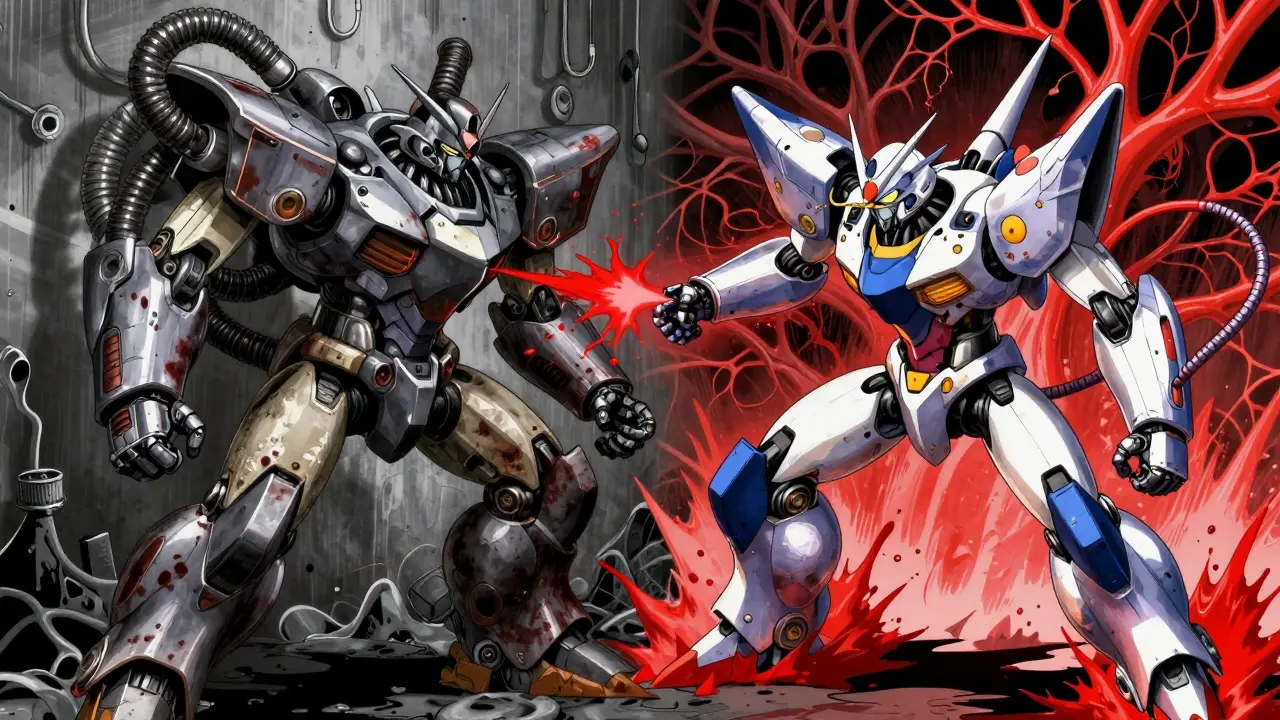
Ischemic stroke occurs when a blockage prevents blood from reaching part of the brain. Think of it like a clogged drain or a kinked hose. The blockage is usually a blood clot. These clots can form directly in the arteries leading to the brain (thrombotic) or travel there from elsewhere in the body, often the heart (embolic). According to clinical data from the Pacific Neuroscience Institute, thrombotic strokes account for about half of all ischemic cases, while embolic strokes make up roughly 20%. There is also a category called cryptogenic stroke, where the cause remains unknown despite thorough investigation, representing about 30% of ischemic cases.
In contrast, a hemorrhagic stroke is a burst pipe. A weakened blood vessel ruptures, spilling blood into or around the brain tissue. This bleeding creates pressure that damages brain cells and cuts off blood flow to surrounding areas. Hemorrhagic strokes are less common, accounting for only 13-15% of all strokes, but they are often more severe. They divide into two subtypes: intracerebral hemorrhage, where bleeding happens inside the brain tissue itself, and subarachnoid hemorrhage, where bleeding occurs on the surface of the brain, often due to a ruptured aneurysm.
| Feature | Ischemic Stroke | Hemorrhagic Stroke |
|---|---|---|
| Cause | Blood clot blocks artery | Blood vessel ruptures/bleeds |
| Prevalence | ~87% of all strokes | ~13-15% of all strokes |
| Onset Speed | Can be gradual or sudden | Typically sudden and dramatic |
| Primary Risk Factor | Atrial fibrillation, high cholesterol | Uncontrolled high blood pressure |
| Immediate Treatment | Clot-busting drugs (tPA), thrombectomy | Surgery to stop bleeding, lower pressure |
Spotting the Symptoms: What to Look For
You’ve likely heard of FAST (Face drooping, Arm weakness, Speech difficulty, Time to call emergency services). This acronym works for both types of stroke, but the accompanying symptoms can give you clues about which type is happening. However, never guess-always call for help immediately.
Ischemic strokes often present with classic neurological deficits. You might notice sudden numbness or weakness, especially on one side of the body. Vision may blur in one eye. Speech becomes slurred or difficult to understand. Because the blockage restricts flow, symptoms might worsen over minutes or hours as the area of damage expands.
Hemorrhagic strokes tend to be more violent in their presentation. A study published in Healthline analyzing over 500 stroke patients found significant differences in symptom profiles. Headaches were reported in 92.4% of hemorrhagic stroke patients compared to only 19% of ischemic patients. This headache is often described as "the worst headache of my life" and hits suddenly. Other signs unique to hemorrhagic events include nausea, vomiting, stiff neck, and sensitivity to light. In severe cases, patients may lose consciousness quickly. Eye issues are also more pronounced; dilated pupils appeared in nearly 87% of hemorrhagic cases versus 27% in ischemic ones, and seizures occurred in 17% of hemorrhagic cases but none of the ischemic cases in that study.
Risk Factors: Why Do Strokes Happen?
While some risk factors overlap, the root causes for each stroke type differ significantly. Understanding this helps tailor your prevention strategy.
For ischemic strokes, the enemy is often cardiovascular health. Atrial fibrillation (AFib), an irregular heartbeat, is a major culprit. The American Heart Association notes that AFib increases the risk of embolic stroke by 500%. When the heart doesn't pump effectively, blood pools and forms clots that can travel to the brain. High cholesterol leads to plaque buildup in arteries (atherosclerosis), narrowing the vessels until a clot blocks them completely. Diabetes also damages blood vessels over time, increasing clot risk.
Hemorrhagic strokes are primarily driven by uncontrolled hypertension (high blood pressure). The CDC reports that 78-88% of primary intracerebral hemorrhages result from vessels damaged by chronic high blood pressure. Imagine a garden hose left on full blast; eventually, the walls weaken and burst. Other risks include smoking, excessive alcohol consumption, and the use of illicit drugs like cocaine. Additionally, people with a history of head trauma or those taking strong blood thinners without proper monitoring are at higher risk for bleeding events.
Treatment Protocols: Opposite Approaches
This is where the distinction becomes critical. Treating an ischemic stroke like a hemorrhagic one-or vice versa-can kill the patient. That is why rapid diagnosis via CT scan is the gold standard in emergency rooms.
If the CT scan confirms an ischemic stroke, doctors race against the clock. If the patient arrives within 3 to 4.5 hours of symptom onset, they may receive a thrombolytic medication like tPA (alteplase) or tenecteplase. These drugs dissolve the clot, restoring blood flow. For larger blockages, a procedure called mechanical thrombectomy can physically remove the clot through a catheter inserted in the groin, extending the treatment window up to 24 hours in select cases.
If the scan shows a hemorrhagic stroke, clot-busting drugs are dangerous because they would increase bleeding. Instead, the goal is to stop the bleed and reduce pressure on the brain. Treatments may include surgery to clip an aneurysm or coil it shut (endovascular coiling). Medications might be used to control blood pressure and prevent seizures. In some cases, minimally invasive surgery is performed to remove accumulated blood. As Dr. Gary Steinberg from Stanford Medicine noted, surgical clipping remains superior for certain aneurysm types despite advances in minimally invasive techniques.
Prevention Strategies That Actually Work
Prevention is your best defense, but the tactics depend on your specific risks. Here is how to protect yourself based on evidence-based guidelines.
Control Your Blood Pressure: This is the single most important step for preventing hemorrhagic stroke. The SPRINT trial showed that maintaining systolic blood pressure below 120 mmHg reduced hemorrhagic stroke risk by 38% in high-risk patients. Regular monitoring and adherence to medication are non-negotiable.
Manage Heart Health: To prevent ischemic stroke, focus on your heart. If you have atrial fibrillation, anticoagulant therapy (like warfarin or apixaban) can reduce stroke risk by 60-70%, as shown in the ARISTOTLE trial. Antiplatelet therapies like aspirin can also help reduce secondary stroke risk by 25%.
Adopt a Heart-Healthy Diet: The Mediterranean diet, rich in fruits, vegetables, whole grains, and healthy fats, has been linked to a 30% reduction in stroke risk in the PREDIMED study. Limiting sodium intake helps control blood pressure, further lowering risk.
Quit Smoking: Smoking damages blood vessels and promotes clotting. The good news? Quitting provides immediate benefits. The CDC reports that stroke risk drops by 50% within one year of quitting.
Stay Active: Regular moderate exercise, such as 150 minutes of brisk walking per week, reduces overall stroke risk by 27%. It improves circulation and helps manage weight and blood pressure.
When to Seek Help: Don't Wait
Time is brain. Every minute a stroke goes untreated, 1.9 million neurons die. Whether it’s a blockage or a bleed, every second counts. If you see someone with sudden facial drooping, arm weakness, or speech difficulties, call emergency services immediately. Note the time symptoms started-this information is crucial for determining eligibility for clot-busting drugs or other interventions.
Don’t drive yourself to the hospital. Paramedics can begin assessment and alert the hospital, ensuring you get to a certified Primary Stroke Center if available. These centers have protocols for rapid differentiation and treatment, leading to better outcomes. Remember, even if symptoms seem to fade, you still need medical evaluation. Transient ischemic attacks (TIAs), or "mini-strokes," are warning signs that a major stroke could follow soon.
What is the biggest difference between ischemic and hemorrhagic stroke?
The core difference is the cause: ischemic stroke is caused by a blockage (clot) in a blood vessel, while hemorrhagic stroke is caused by a rupture (bleeding) of a blood vessel. This distinction dictates treatment, as clot-busting drugs help ischemic strokes but can be fatal for hemorrhagic ones.
Which type of stroke is more deadly?
Hemorrhagic strokes generally have higher mortality rates. Although they are less common (13-15% of cases), they often present more severely and can cause rapid brain damage due to bleeding and increased pressure. Studies show a 23% higher 30-day mortality rate for hemorrhagic strokes compared to ischemic ones, even after controlling for severity.
Can you recover from a hemorrhagic stroke?
Yes, recovery is possible, but it depends on the severity and location of the bleed. Many survivors require extensive rehabilitation to regain motor skills, speech, and cognitive functions. Early intervention and specialized rehab programs significantly improve long-term outcomes.
How do doctors tell the difference between the two types?
Doctors use a non-contrast CT scan of the brain as the first diagnostic tool. This imaging technique quickly distinguishes between blood (which appears bright white in hemorrhagic strokes) and tissue changes associated with blockages (ischemic strokes). MRI scans may also be used for more detailed assessment.
What is the most effective way to prevent stroke?
Controlling high blood pressure is the most effective preventive measure for both types, particularly hemorrhagic stroke. For ischemic stroke, managing atrial fibrillation with anticoagulants and maintaining a heart-healthy lifestyle (diet, exercise, no smoking) are critical.