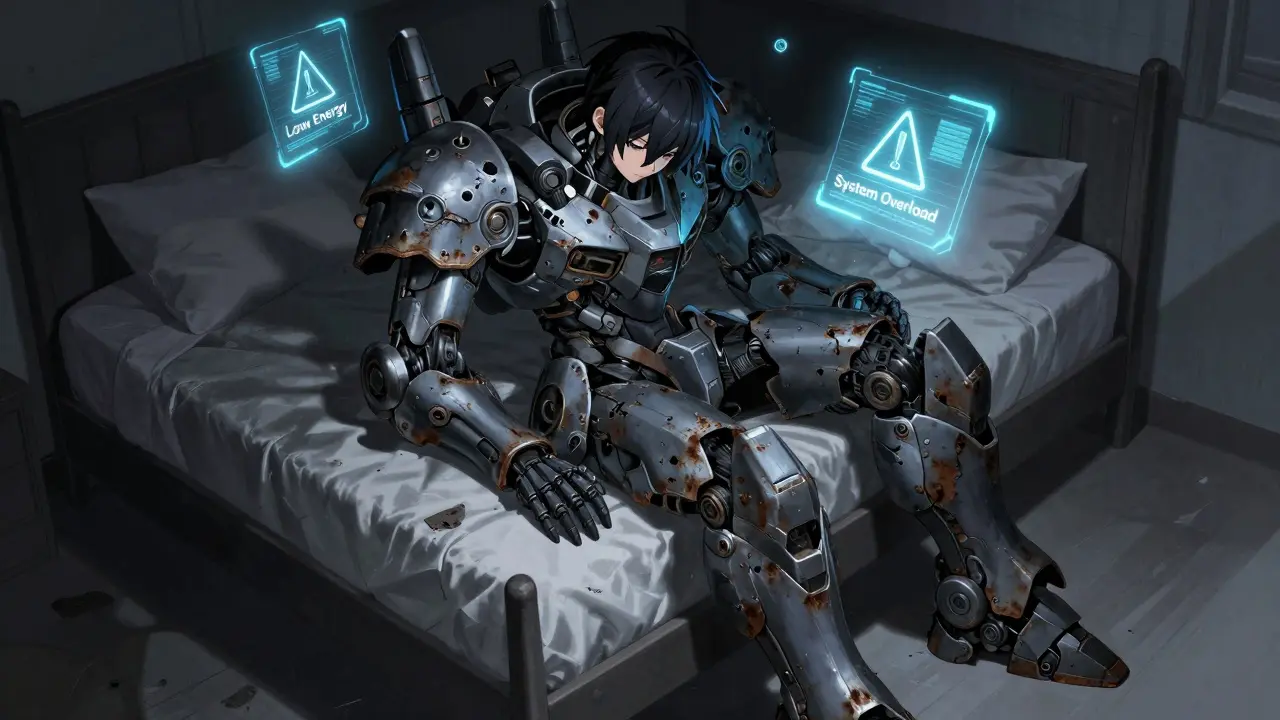
Imagine waking up feeling like you’ve been hit by a truck. Your throat feels like it’s full of glass, your neck is swollen with tender lumps, and the exhaustion hits you so hard that getting out of bed feels impossible. If this sounds familiar, you might not just have a bad cold or strep throat. You could be dealing with infectious mononucleosis, commonly known as mono or "the kissing disease." It’s a viral infection that primarily targets teenagers and young adults, leaving them drained for weeks or even months.
The main culprit behind most cases is the Epstein-Barr virus (EBV). This virus is incredibly common; about 95% of adults carry it. However, just because you have the virus doesn’t mean you’ll get sick. In fact, many people contract EBV in childhood without ever knowing it. But when it strikes during adolescence, it often triggers the classic symptoms of mono. Understanding how this virus works, what to expect during recovery, and how to protect your body-especially your spleen-is crucial for getting back to normal life safely.
What Causes Mononucleosis?
To understand mono, you first need to understand the virus responsible for it. The Epstein-Barr virus belongs to the herpesvirus family. Like other viruses in this family, once it enters your body, it stays there for life. It hides in your B-lymphocytes, which are a type of white blood cell that helps fight infection.
How does it spread? Mostly through saliva. That’s why it earned the nickname "the kissing disease." But you don’t need to kiss someone to catch it. Sharing a drink, using the same utensils, or even coughing near an infected person can transmit the virus. The incubation period-the time between exposure and showing symptoms-is surprisingly long, averaging four to six weeks. During this time, you can spread the virus to others even if you feel perfectly fine.
While EBV causes about 90-95% of mono cases, another virus called Cytomegalovirus (CMV) can cause similar symptoms in 5-10% of cases. CMV-induced mono usually presents with less severe throat pain but more liver involvement. Distinguishing between the two requires specific blood tests, which we’ll cover later.
Recognizing the Symptoms: More Than Just Tiredness
If you suspect you have mono, look for the classic triad of symptoms: fever, sore throat, and swollen lymph nodes. These three signs appear together in up to 90% of symptomatic cases. However, mono has a way of sneaking up on you, and its symptoms can mimic other illnesses, leading to misdiagnosis.
- Extreme Fatigue: This isn’t your usual "I stayed up too late" tiredness. It’s a deep, bone-weary exhaustion that affects 98% of patients. Many report that simple tasks like showering or walking to the mailbox leave them breathless.
- Sore Throat: About 85% of patients experience a severe sore throat. It can be mistaken for strep throat, but unlike strep, it won’t improve with antibiotics. In some cases, tonsils become so swollen they block the airway.
- Swollen Lymph Nodes: You’ll likely notice tender lumps in your neck, particularly at the back (posterior cervical region). This happens in 70-90% of cases.
- Fever: Temperatures can range from 101°F to 104°F (38.3°C to 40°C).
- Enlarged Spleen (Splenomegaly): Roughly half of all mono patients develop an enlarged spleen. This is a critical symptom because an enlarged spleen is fragile and prone to rupture.
A lesser-known sign is a rash. Only 5-15% of mono patients develop a rash naturally. However, if you take ampicillin or amoxicillin for what you think is strep throat, the chance of developing a rash jumps to 80-90%. If you’re prescribed these antibiotics and break out in a rash, stop taking them and see a doctor immediately-it’s a strong indicator of mono.
Diagnosis: How Doctors Confirm Mono
Getting a proper diagnosis is key because treating mono differently from bacterial infections prevents complications. Doctors typically start with a physical exam, checking for swollen glands and an enlarged spleen. Then, they move to blood tests.
The most common initial test is the Monospot test, also known as the heterophile antibody test. It looks for antibodies your body produces in response to EBV. However, this test isn’t perfect. It has an 85% sensitivity rate during the second week of illness, but in the first week, 25% of patients may test negative even if they have mono. If the Monospot is negative but suspicion remains high, doctors will order an EBV-specific antibody panel.
This panel measures three specific antibodies:
- VCA-IgM: Positive in acute infection (current illness).
- VCA-IgG: Appears during infection and persists for life.
- EBNA: Appears 2-3 months after infection and indicates past exposure.
Additionally, a complete blood count (CBC) often reveals atypical lymphocytosis, where lymphocytes make up more than 10% of white blood cells. This distinguishes mono from bacterial infections like strep throat, which typically show neutrophilia.
| Test Name | What It Detects | Accuracy/Sensitivity | Best Time to Use |
|---|---|---|---|
| Monospot Test | Heterophile antibodies | 85% in week 2 | Second week of symptoms |
| EBV Antibody Panel | VCA-IgM, VCA-IgG, EBNA | Highly specific | When Monospot is negative |
| CBC (Complete Blood Count) | Atypical lymphocytes | Supportive evidence | Early stage |
The Critical Danger: Protecting Your Spleen
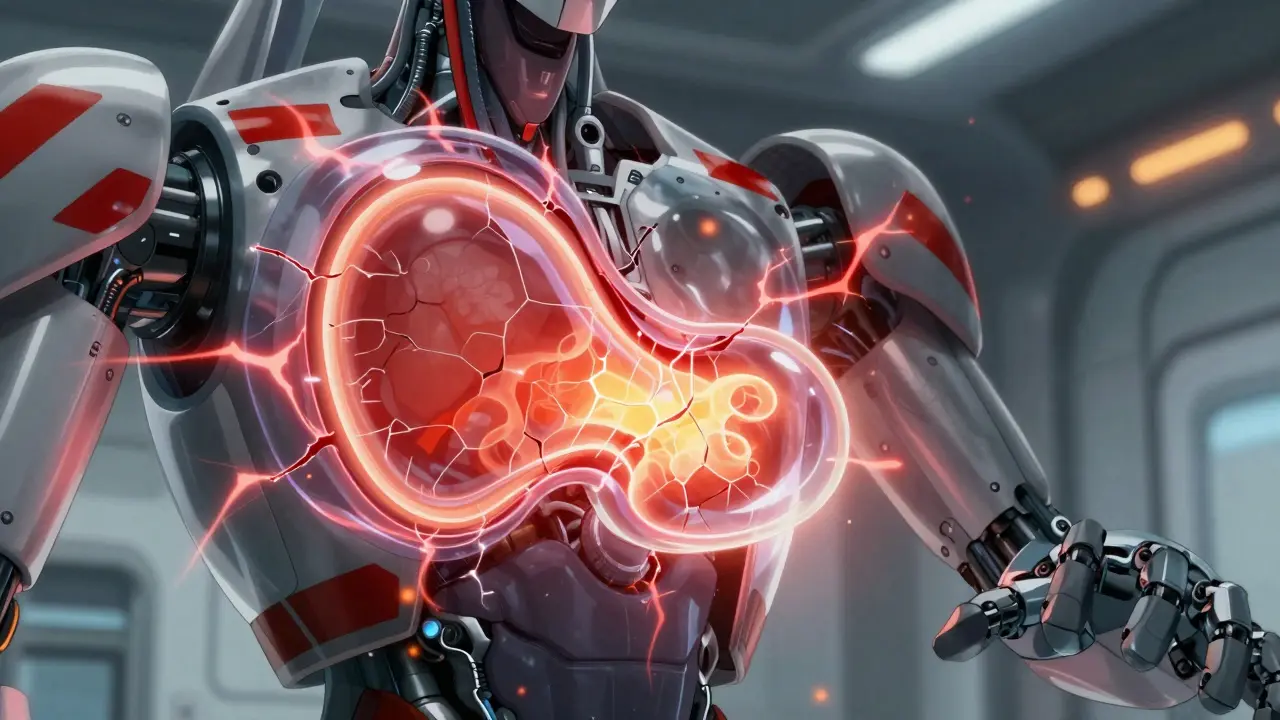
If there is one rule you must follow during mono recovery, it is this: protect your spleen. The spleen is an organ that filters blood and fights infection. During mono, it often swells due to the immune system’s intense activity. An enlarged spleen is fragile. A sudden impact-a tackle in football, a fall while biking, or even heavy lifting-can cause it to rupture.
Splenic rupture occurs in 0.1-0.5% of mono cases, mostly during weeks 2-4. It is a medical emergency that can lead to life-threatening internal bleeding. Signs of rupture include sharp pain in the upper left abdomen, dizziness, fainting, and pain radiating to the left shoulder.
Medical experts, including specialists at Mount Sinai, recommend avoiding contact sports and heavy exertion for at least four weeks after diagnosis. For student-athletes, the American College of Sports Medicine guidelines specify returning only after an ultrasound confirms the spleen has returned to normal size. In 90% of cases, this happens within 30 days, but severe cases may require up to 12 weeks of restriction. Don’t guess. Get the ultrasound.
Managing Fatigue: The Long Road Back
While the acute symptoms like fever and sore throat usually fade within two to six weeks, fatigue lingers. WebMD reports that extreme tiredness can last 2-4 months. This prolonged exhaustion is the most challenging aspect of recovery for most patients.
Dr. Pritish Tosh of Mayo Clinic suggests a structured approach to activity resumption. Start at 50% of your pre-illness capacity. If you could normally run five miles, start with two. Increase by no more than 10% each week, but only if symptoms don’t worsen. Pushing too hard too soon can trigger a relapse, sending you back to square one.
A practical strategy gaining traction is the "Pacing, Prioritizing, Planning" method developed by Stanford’s Fatigue Management Clinic. Here’s how it works:
- Pacing: Break activities into smaller chunks. Instead of cleaning the whole house, clean one room, then rest.
- Prioritizing: Identify what truly matters today. Let go of non-essential tasks.
- Planning: Schedule rest breaks before you feel exhausted. Use the "20-20-20 rule" mentioned by patients online: 20 minutes of activity, 20 minutes of rest, and 20 ounces of water.
Hydration is also vital. Dehydration worsens fatigue and headaches. Aim for consistent fluid intake throughout the day, not just when you’re thirsty.

Treatment Options: What Works and What Doesn’t
There is no cure for mono because it’s a viral infection. Antibiotics do not kill viruses. In fact, prescribing antibiotics for mono is a common mistake. A 2022 study found that 38% of mono patients still receive inappropriate antibiotics, contributing to antibiotic resistance and potential allergic reactions (like the rash mentioned earlier).
Treatment focuses on symptom management:
- Fever and Pain: Acetaminophen is generally preferred. Avoid NSAIDs (like ibuprofen) initially if there’s any concern about bleeding risk, though they are sometimes used cautiously later.
- Throat Pain: Gargling with salt water, using throat lozenges, and staying hydrated can provide relief. In severe cases where tonsillar swelling blocks the airway, corticosteroids may be prescribed, but the American Academy of Pediatrics advises against routine use due to limited benefit and potential side effects.
- Antivirals: Drugs like acyclovir reduce viral shedding but do not significantly shorten the illness or improve symptoms. The Infectious Diseases Society of America does not recommend them for standard mono cases.
Rest is the most powerful medicine. Listen to your body. If you’re tired, sleep. If you’re achy, lie down. Your immune system is working overtime to fight EBV; give it the resources it needs.
Complications and Long-Term Outlook
For most people, mono resolves completely with no long-term effects. However, rare complications can occur. These include:
- Airway Obstruction: Severe tonsil swelling can block breathing, requiring hospitalization.
- Neurological Issues: Guillain-Barré syndrome, a condition where the immune system attacks nerves, occurs in 0.05-0.1% of cases.
- Liver Inflammation: Mild hepatitis is common, causing jaundice in about 10% of patients.
- Malignancy Risk: EBV is linked to certain cancers, such as Hodgkin lymphoma, though the risk is low (0.5-1%).
Recent research has highlighted a link between EBV and multiple sclerosis (MS). A 2022 Harvard study of 10 million military personnel found that individuals with prior mono had a 1.3-fold increased risk of developing MS. While the absolute risk remains low (0.03%), this connection is driving new research into monoclonal antibodies targeting EBV-infected B-cells, which showed promise in reducing MS lesions in early trials.
Another emerging area is chronic fatigue post-mono. Some patients experience persistent fatigue beyond six months. A 2023 University of Toronto study found that low-dose naltrexone (LDN) reduced fatigue by 40% compared to placebo in these cases. If your fatigue doesn’t improve after several months, discuss LDN or other interventions with your doctor.
Prevention and Future Developments
Since there’s no vaccine yet, prevention relies on hygiene. Wash your hands frequently, avoid sharing drinks or utensils, and refrain from kissing anyone who is sick. Educate friends and family about transmission routes to reduce stigma and spread.
On the horizon, Moderna’s mRNA-1189 vaccine entered Phase I trials in April 2023, showing 92% seroconversion in early data. If successful, this could revolutionize prevention, especially for adolescents. Meanwhile, biomarkers like elevated IL-10 levels are being studied to predict who is at risk for prolonged fatigue, allowing for personalized management strategies.
Recovering from mono takes patience. It’s not a sprint; it’s a marathon. By understanding the virus, respecting your body’s limits, and following medical advice, you can navigate this challenging illness and emerge stronger. Remember, your health is worth the wait.
How long is someone with mono contagious?
You can be contagious even before symptoms appear. The Epstein-Barr virus can be shed in saliva for weeks or months after symptoms resolve. Some people continue to shed the virus intermittently for years, though the risk of transmission decreases over time. Practice good hygiene indefinitely to minimize spreading the virus to others.
Can you get mono more than once?
It is rare to get infectious mononucleosis twice. Once you’ve had EBV, your body develops antibodies that prevent reinfection. However, the virus remains latent in your body and can reactivate, especially if your immune system is compromised. Reactivation usually doesn’t cause the full mono syndrome but may lead to mild symptoms.
When can I return to school or work?
Return to school or work depends on your energy levels and symptoms. Most people can resume light duties after 2-4 weeks, but fatigue may persist. Follow the graded activity approach: start with part-time hours or remote work if possible. Listen to your body and adjust as needed. There is no fixed timeline, as recovery varies individually.
Is mono dangerous for pregnant women?
Mono is generally not dangerous for the fetus if contracted during pregnancy. However, the mother may experience severe fatigue and discomfort. Consult your obstetrician for personalized advice. There is no evidence that EBV causes birth defects, but stress and poor nutrition associated with severe illness should be managed carefully.
What foods help with mono recovery?
Focus on soft, easy-to-swallow foods if your throat is sore, such as soups, smoothies, yogurt, and mashed potatoes. Stay hydrated with water, herbal teas, and electrolyte solutions. Avoid acidic juices like orange juice, which can irritate the throat. Nutrient-dense foods support your immune system, but prioritize comfort and hydration above all.