Drug shortages aren’t just inconvenient-they’re dangerous
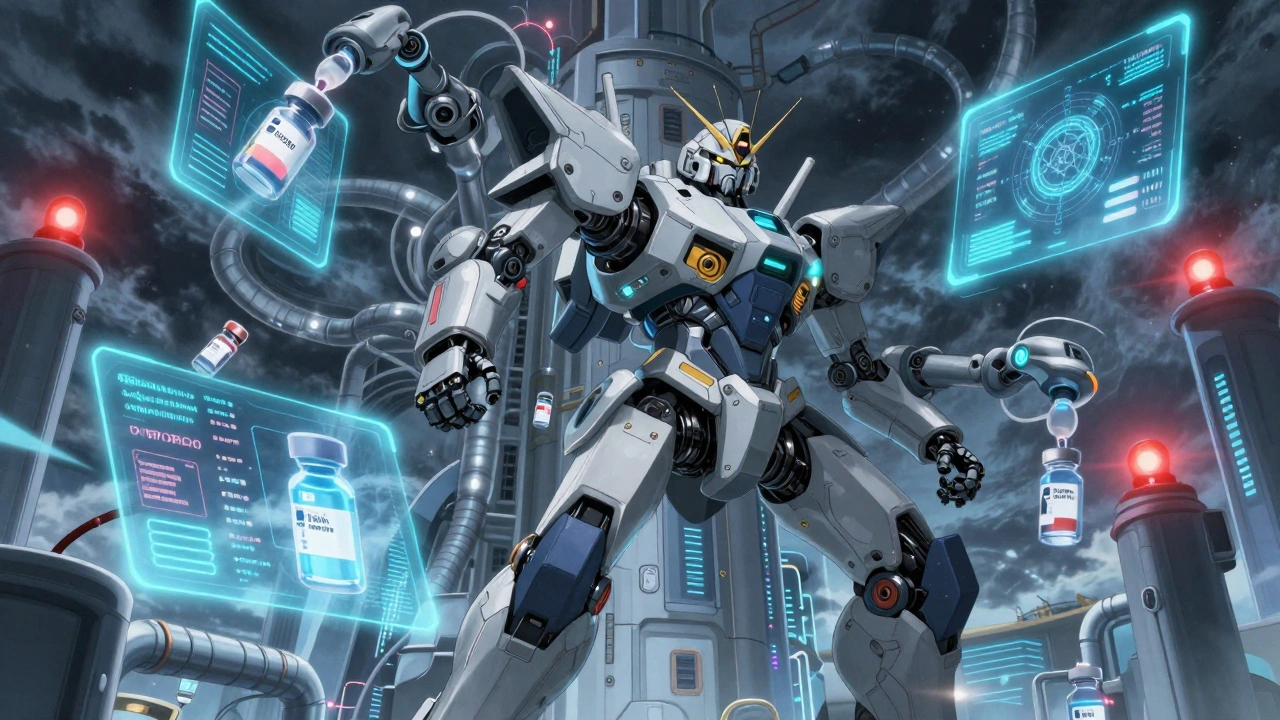
When a hospital runs out of a critical medication like epinephrine, insulin, or chemotherapy drugs, lives are at risk. In 2024, the FDA recorded over 300 active drug shortages in the U.S., up from 180 in 2020. These aren’t temporary glitches. They’re systemic failures that hit hardest in rural hospitals, safety-net clinics, and emergency rooms. And while manufacturers and regulators get blamed, the real story is what health systems are doing on the ground to keep patients alive.
They’re not waiting for the supply chain to fix itself
Most hospitals used to rely on big distributors to keep shelves stocked. That model broke during the pandemic and hasn’t recovered. Now, leading health systems are taking control. They’re building their own inventory buffers-stockpiling critical drugs months in advance. Intermountain Healthcare, for example, now keeps 90 days of essential medications on hand instead of the industry standard of 30. They track expiration dates down to the day and rotate stock using AI-powered alerts. It costs more upfront, but it’s saved them from 17 critical shortages in 2024 alone.
Alternative sourcing is now standard practice
When a drug is in short supply, hospitals used to panic. Now, they have playbooks. Many have signed contracts with secondary suppliers outside the usual network-often international manufacturers in India or Europe. Some, like Kaiser Permanente, work directly with generic drugmakers to lock in long-term supply agreements. Others use real-time shortage tracking tools like the American Society of Health-System Pharmacists (ASHP) database, which flags shortages 4-6 weeks before they hit most hospitals. That early warning lets them switch to equivalent drugs before patients are affected.
Substitutions aren’t a last resort-they’re a strategy
Not every drug has a direct substitute, but many do. For example, when the brand-name version of levothyroxine was scarce, hospitals switched to FDA-approved generics with identical active ingredients. In oncology, when one chemotherapy agent ran out, providers shifted to similar regimens with comparable outcomes. The key? Clinical guidelines. Health systems like Cleveland Clinic now have pharmacy and medical teams working side-by-side to approve safe, evidence-based alternatives. They don’t wait for a doctor to call in a crisis-they’ve pre-approved 42 substitution protocols for high-risk drugs.
Technology is cutting waste and freeing up staff
One of the biggest reasons drugs go missing isn’t lack of supply-it’s mismanagement. A 2024 study found that 18% of hospital medications expire unused because they’re ordered too early or stored incorrectly. Hospitals are fixing this with smart inventory systems. Baptist Health in Florida rolled out AI-driven dispensing units that track usage in real time. When a drug drops below a set threshold, it auto-orders the next batch. They also use robotic dispensers to reduce human error. The result? A 37% drop in expired inventory and 28% less time spent by pharmacists on manual counts. That time gets redirected to patient care.

Pharmacists are now frontline crisis managers
Pharmacists used to be behind the counter. Now, they’re in the room with doctors and nurses, making real-time decisions. At Mayo Clinic, pharmacists are embedded in ICU teams. When a drug shortage hits, they don’t just suggest alternatives-they adjust dosing, coordinate with other departments, and even contact patients’ primary care providers to switch prescriptions. Their input has reduced medication errors during shortages by 41%, according to their internal audit. This isn’t optional anymore. Over 72% of major health systems now require pharmacists to be part of shortage response teams.
Training staff to handle uncertainty is non-negotiable
When a drug disappears, nurses and doctors need to act fast-but not recklessly. Health systems are running monthly shortage drills. At Johns Hopkins, staff simulate a sudden loss of insulin or vancomycin. They practice switching to alternatives, documenting changes, and communicating with patients. These aren’t theoretical exercises. In 2024, one drill uncovered a gap in their emergency supply chain that had gone unnoticed for six months. Now, every new hire goes through a 90-minute shortage response module. It’s part of onboarding, like CPR certification.
Community partnerships are filling the gaps
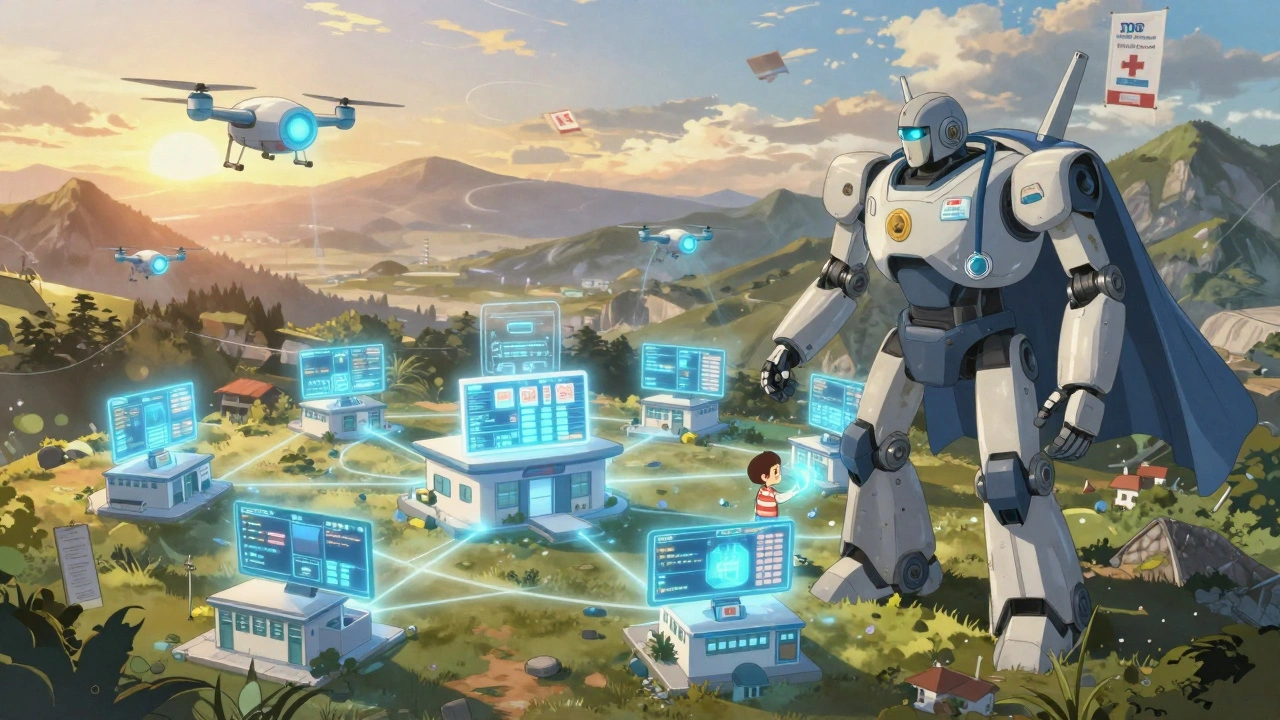
Small hospitals can’t afford to stockpile every drug. So they’re teaming up. In rural states like Montana and West Virginia, regional health networks now share inventory across 10-15 facilities. When one hospital runs low, another sends a shipment via courier. The system is managed through a shared digital dashboard. It’s low-tech but effective. Since launching in 2023, these networks have reduced drug-related delays by 58%. The CDC now calls this model a "best practice" for rural care.
Patients are being told what’s happening-honestly
One of the most overlooked strategies is transparency. Instead of hiding shortages, hospitals are telling patients. At Kaiser Permanente, patients get a simple note in their portal: "Your usual medication is temporarily unavailable. We’ve switched you to an equally effective alternative. Here’s why." This reduces anxiety and builds trust. A 2025 survey showed patients were 3x more likely to comply with treatment when they understood the reason for the change.
What’s still broken-and who’s fixing it
Despite all this progress, 63% of healthcare workers still report stress from drug shortages, and 42% of nurses say they’ve had to delay care because of unavailable meds. The biggest gaps? Pediatric drugs and rare disease treatments. There’s no profit in making them, so manufacturers avoid them. Some health systems are pushing back. The Children’s Hospital Association launched a coalition to fund production of 12 high-priority pediatric drugs. And in 2024, the FDA fast-tracked approval for two new manufacturers of a critical neonatal antibiotic. Progress is slow, but it’s happening.
The future is proactive, not reactive
Health systems that survive the next wave of shortages won’t be the ones with the biggest budgets. They’ll be the ones that think ahead. That means: tracking global supply risks (like political instability in drug-producing countries), investing in domestic manufacturing, and using AI to predict shortages before they happen. The FDA’s new predictive analytics pilot, launched in early 2025, already flags 80% of upcoming shortages 60 days in advance. Health systems that integrate this data into their planning are cutting response times by 70%.
What you can do if you’re affected
If you’re a patient on a drug that’s suddenly unavailable, don’t panic. Ask your pharmacist: "Is there an approved alternative?" Ask your doctor: "Can we switch safely?" And if you’re worried about cost or access, ask if your hospital has a patient assistance program. Many now offer free or discounted meds during shortages. You’re not alone-and systems are finally learning how to help.
Why are drug shortages getting worse?
Drug shortages are worsening because manufacturing is concentrated in just a few global suppliers, often in countries with unstable supply chains. A single factory shutdown-due to quality issues, natural disasters, or political conflict-can knock out 40% of a drug’s supply. At the same time, profit margins on generic drugs are razor-thin, so companies don’t invest in backup production. The result? Fragile systems that break under pressure.
Can hospitals just order more drugs from other countries?
Yes, but it’s not simple. The FDA requires all imported drugs to meet U.S. safety standards, which means paperwork, inspections, and delays. Some hospitals partner with approved international suppliers, but they can’t just buy from any online pharmacy. Most rely on pre-vetted distributors with FDA-registered facilities. It takes months to set up, so it’s not a quick fix-but it’s a critical long-term strategy.
Are generic drugs safer or riskier during shortages?
Generics are just as safe as brand-name drugs-they contain the same active ingredients and must pass the same FDA tests. The risk isn’t in the drug itself, but in switching too quickly without proper monitoring. That’s why hospitals now use clinical guidelines and pharmacist oversight before making substitutions. The real danger is when patients switch to unapproved versions from unreliable sources online.
What’s being done about shortages of pediatric medications?
Pediatric drugs are especially vulnerable because they’re made in small batches and have low profit margins. In 2024, the Children’s Hospital Association launched a national initiative to fund domestic production of 12 high-demand pediatric drugs. The FDA has also created a fast-track approval pathway for these drugs. Since then, three new manufacturers have entered the market for critical neonatal antibiotics and insulin formulations.
How can I find out if my medication is in short supply?
Check the FDA’s Drug Shortages website or the American Society of Health-System Pharmacists (ASHP) database-both are updated weekly. Your pharmacy can also check in real time. If your medication is listed, ask if there’s an approved alternative. Don’t wait for your doctor to bring it up-be proactive. Most health systems now have shortage alerts built into their patient portals.
Bottom line: Health systems are adapting-but it’s not over
Drug shortages won’t disappear overnight. But the old approach-waiting, hoping, scrambling-is gone. Today’s health systems are building resilience: stockpiling smartly, sourcing globally, substituting safely, training staff, and telling patients the truth. The most successful ones don’t just react-they predict, plan, and partner. And for patients, that’s the difference between panic and peace of mind.
Michael Bene
December 4, 2025 AT 13:45Brian Perry
December 6, 2025 AT 12:40Siddharth Notani
December 7, 2025 AT 02:24Akash Sharma
December 8, 2025 AT 00:02Justin Hampton
December 8, 2025 AT 02:27Pooja Surnar
December 9, 2025 AT 20:37Sandridge Nelia
December 11, 2025 AT 16:49Mark Gallagher
December 12, 2025 AT 14:10Wendy Chiridza
December 13, 2025 AT 01:40Pamela Mae Ibabao
December 13, 2025 AT 18:53Gerald Nauschnegg
December 14, 2025 AT 20:30