
When your brand-name medication suddenly changes to a generic version, it’s not just a label swap-it’s a moment that can affect how you feel, how much you pay, and even whether your treatment still works. You might notice the pill looks different. Maybe it’s smaller, a different color, or has a new marking. You might get a bill that’s way lower-and wonder if something’s wrong. Or worse, you might start feeling off after the switch. These aren’t rare experiences. In fact, generic drug transition is happening to millions of Americans every year, and how you talk to your pharmacy can make all the difference.
Why Generic Switches Happen-and Why They’re Usually Safe
Generic drugs aren’t cheap knockoffs. They’re exact copies of brand-name drugs in active ingredients, strength, and how they work in your body. The FDA requires them to be bioequivalent, meaning they deliver the same amount of medicine into your bloodstream at the same speed as the brand. For most people, this works perfectly. In fact, 90% of all prescriptions filled in the U.S. are generics, and they save patients and the system over $370 billion a year.
But here’s the catch: bioequivalence doesn’t mean identical. Generics can have different fillers, dyes, or coatings. For most drugs, that doesn’t matter. But for medications with a narrow therapeutic index-like warfarin, levothyroxine, or seizure drugs-even tiny differences in how fast the medicine is absorbed can cause problems. A 2021 study in JAMA Internal Medicine found that 9.4% of patients switching from brand to generic antiepileptic drugs had a seizure within months. That’s nearly double the rate of those who stayed on brand.
What You Should Do Before the Switch
Don’t wait until the day your brand runs out. Start talking to your pharmacy at least 30 days before your next refill. Here’s what to ask:
- Is a generic going to replace my medication? Some pharmacies automatically switch unless you say no. Ask if the change is mandatory or optional.
- Will my insurance cover the brand if I want to stay on it? Many plans require prior authorization for brand-name drugs after a generic becomes available. You might need your doctor to file paperwork.
- Is this a true generic or an authorized generic? Authorized generics are made by the original brand company and are identical in every way-including inactive ingredients. They’re often cheaper than the brand but cost the same as a regular generic.
- Are there any special risks with this drug? If you’re on a drug like levothyroxine, digoxin, or cyclosporine, ask if switching is safe. These are the ones where even small changes can matter.
Bring your complete medication list to every visit. Include dosages, why you take each one, and any side effects you’ve noticed. This isn’t just busywork-it helps the pharmacist catch interactions or red flags.
What to Do When the Generic Arrives
When you pick up your refill and the pill looks different, don’t panic. But don’t ignore it either. Here’s your checklist:
- Check the label. Does it say the generic name? Is the dosage correct? Does it match what your doctor prescribed?
- Compare the pill. Use the FDA’s Drugs@FDA database (or ask your pharmacist) to find what the brand looked like. You can often find images of generic versions online.
- Ask about inactive ingredients. If you have allergies-like to lactose, gluten, or certain dyes-ask if the generic contains them. Some people react to these even when the active ingredient is the same.
- Confirm refill timing. If you’re on multiple meds, ask about medication synchronization. Getting all your refills on the same day reduces missed doses and confusion.
One patient on Reddit reported switching from brand-name Keppra to generic levetiracetam and started having more seizures. She didn’t say anything to her pharmacist until it was too late. She later got her brand back after proving the switch caused a problem. But she could’ve avoided the whole thing if she’d asked questions before the first refill.
When You Notice Something’s Off
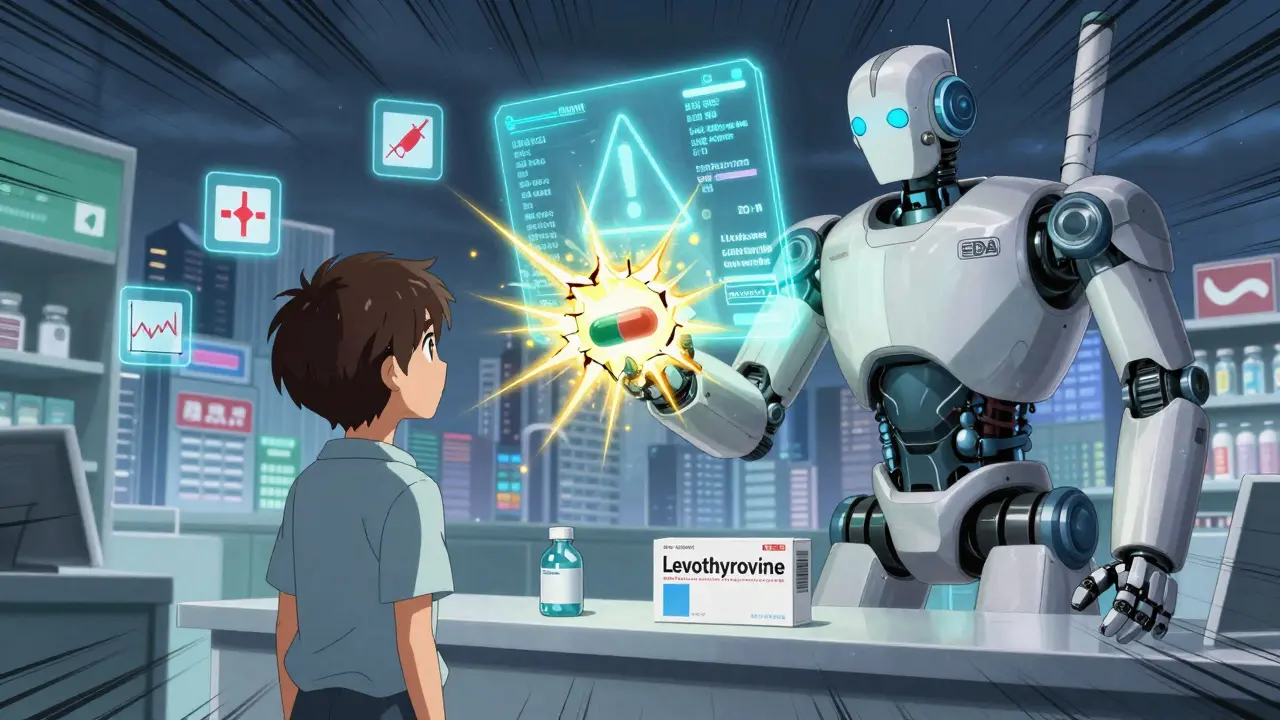
If you feel worse after switching-more side effects, less effectiveness, new symptoms-don’t assume it’s "just in your head." Write down exactly what changed: when it started, what symptoms you noticed, and how severe they are. Then call your pharmacist.
Pharmacists are trained to handle this. They can:
- Check if your insurance is blocking the brand
- Contact your doctor to request a brand override
- Switch you to an authorized generic if available
- Help you apply for patient assistance programs
Many generic manufacturers offer savings cards or co-pay assistance-even if the drug is off-patent. Ask if there’s a program for your medication. Some even provide free samples if you’re having trouble adjusting.
How Insurance and Regulations Play Into This
Medicare Part D and most private insurers push generics because they’re cheaper. But rules protect you too. If you’re new to Medicare, you get a 90-day window to stay on your brand-name drug even if it’s not on the formulary. After that, you’ll need your doctor to justify why you need the brand.
Since August 2023, DEA rules let you transfer prescriptions for controlled substances (like pain meds or ADHD drugs) directly between pharmacies without calling your doctor. That means if your pharmacy runs out of the generic, you can get it from another location faster. But controlled substances still take longer to process, so plan ahead.
Also, don’t assume all pharmacies are the same. Chain pharmacies like CVS and Walgreens often have automated systems that switch drugs unless you opt out. Independent pharmacies may be more flexible and take more time to talk through your concerns.
Real Stories: When It Worked-and When It Didn’t
A 68-year-old woman on levothyroxine switched to a generic and started feeling tired, gaining weight, and having heart palpitations. She went back to her pharmacist, who checked the batch and found it was from a new manufacturer. The pharmacist contacted her doctor, and they switched her to a different generic brand. Within two weeks, her symptoms disappeared.
Another patient switched from brand-name Crestor to generic rosuvastatin and saw his cholesterol drop even lower. He saved $200 a month. No side effects. No issues. He’s been on the generic for three years.
The difference? One person spoke up. The other didn’t. Both got the same active ingredient. But communication made the difference between a smooth transition and a health crisis.
Your Action Plan for a Smooth Generic Switch
Here’s your simple, step-by-step guide:
- 30 days before refill: Call your pharmacy. Ask if a generic is coming. Find out if you can stay on the brand.
- Check your insurance: Log in to your plan’s website. Search your drug. See if the brand requires prior authorization.
- Ask about authorized generics: These are safest if you’re on a narrow therapeutic index drug.
- When you get the new pill: Compare it to the old one. Take a photo if you’re unsure.
- Track your symptoms: Note any changes in how you feel over the next 10-14 days.
- If something’s wrong: Call your pharmacist immediately. Don’t wait. Don’t stop the med. Don’t assume it’s your fault.
Most transitions go smoothly. But when they don’t, it’s rarely because the drug failed. It’s because no one asked the right questions.
What Your Pharmacist Wants You to Know
Pharmacists aren’t trying to push generics to save money for the pharmacy. They’re trying to help you stay healthy and avoid costly mistakes. A 2022 study found that patients who talked to their pharmacist during a switch were 27% more likely to stick with their medication long-term.
They’ve seen the worst cases: patients who stopped taking their meds because they thought the new pill was fake. Patients who switched and had a stroke because their blood thinner didn’t work the same. Patients who didn’t realize their new generic had a different dosing schedule.
They want you to speak up. Even if you think it’s silly. Even if you’re embarrassed. Even if you’re not sure.
It’s your health. You’re the expert on how your body feels. They’re the expert on how the medicine works. Together, you get it right.
Can I ask my pharmacy to keep my brand-name drug even if a generic is available?
Yes. You have the right to request your brand-name drug. But your insurance may require your doctor to submit a prior authorization form explaining why you need it. Common reasons include side effects from the generic, a history of poor response, or a narrow therapeutic index drug like levothyroxine or warfarin. Your pharmacist can help you start this process.
Why does my generic pill look different from the brand?
By law, generics can’t look exactly like the brand-name version. That’s to avoid confusion and trademark issues. The color, shape, size, or markings may change depending on the manufacturer. But the active ingredient, strength, and how it works in your body must be the same. If you’re unsure, ask your pharmacist to show you the FDA-approved version or check online.
Are generic drugs less effective than brand-name drugs?
For most people, no. The FDA requires generics to be bioequivalent, meaning they work the same way. But for a small group-especially those on drugs with narrow therapeutic indices-differences in inactive ingredients can affect absorption. Studies show that 90%+ of patients experience no difference. But if you feel worse after switching, it’s not just in your head. Talk to your pharmacist right away.
Can I switch back to the brand if the generic doesn’t work for me?
Yes. If you notice changes in how you feel-worse symptoms, new side effects, or reduced effectiveness-contact your pharmacist immediately. They can work with your doctor to request a brand override. In many cases, especially with Medicare, you can get the brand back if you document the issue. Don’t wait until it becomes a crisis.
How do I know if my generic is from a reputable manufacturer?
The FDA inspects all generic drug manufacturers, both in the U.S. and abroad. You can check the FDA’s website for inspection reports, but most patients don’t need to. If your pharmacist is a licensed professional, they only order from approved suppliers. If you’re concerned, ask your pharmacist which company makes your generic. Reputable manufacturers include Teva, Mylan, Sandoz, and Apotex. Avoid generics from companies with recent FDA warning letters.
Amy Ehinger
January 15, 2026 AT 20:30I switched my levothyroxine to generic last year and didn’t say anything until I was exhausted all the time and gaining weight like crazy. Turns out, the new batch had a different filler. My pharmacist hooked me up with a different generic brand-same price, back to normal in two weeks. Just talk to them. They’re not robots.
Sarah Mailloux
January 17, 2026 AT 07:25my pharmacist literally asked me if i wanted the brand or generic before filling. no one ever does that. they just assume you’re fine with whatever’s cheapest. i’m telling everyone now.
Nishant Garg
January 18, 2026 AT 06:34In India, generics are the norm-no one even blinks when the pill changes color. But here in the US, it’s like switching your coffee cup and expecting the caffeine to behave differently. The science says it’s the same, but the placebo effect? That’s real. And if you feel off, you’re not crazy. You’re just human.
Ayush Pareek
January 18, 2026 AT 20:43Don’t stress. Most generics are fine. But if you’re on something like warfarin or seizure meds? Don’t be shy. Ask for the authorized generic-it’s the brand’s own version, just cheaper. I’ve been on one for three years. Zero issues. Save money, stay safe.
Crystel Ann
January 20, 2026 AT 12:14I used to panic every time my pill changed shape. Then I started taking a photo of the old one and comparing it to the new one with the pharmacist. It’s not weird. It’s smart. And they appreciate it. I feel like I’m actually part of my own care now.
Nicholas Urmaza
January 20, 2026 AT 17:02Pharmacists are your allies not gatekeepers. If you feel worse after a switch, call them immediately. Don’t wait. Don’t Google. Don’t assume it’s you. They’ve seen this a thousand times. They can fix it. Just speak up.
Nilesh Khedekar
January 21, 2026 AT 11:06Oh great, so now we’re supposed to become pharmaceutical detectives? Next they’ll want us to check the FDA’s inspection logs for every pill. And if you dare ask for the brand? Insurance will make you jump through 17 hoops. This system is broken. We’re not patients-we’re cost centers.
Frank Geurts
January 22, 2026 AT 12:18It is imperative, and indeed, non-negotiable, that patients engage in proactive, informed dialogue with their licensed pharmacy professionals regarding pharmaceutical substitutions. The FDA's bioequivalence standards, while statistically robust, do not account for individual pharmacokinetic variances. Therefore, one must assert one’s right to brand-name retention when clinical outcomes are compromised. Documentation is paramount.
RUTH DE OLIVEIRA ALVES
January 23, 2026 AT 21:10My mother switched from brand-name Keppra to generic levetiracetam and had three seizures in two weeks. We called the pharmacy. They confirmed it was the same active ingredient. Then they checked the manufacturer-it was a new one. They switched her to a different generic, same day. She’s been seizure-free for a year. Never assume. Always verify.
Jami Reynolds
January 24, 2026 AT 02:30Did you know that 60% of generics are made in India and China? The FDA inspects less than 2% of those factories. That’s not safety-that’s gambling with your life. And they wonder why people get sick after switching? It’s not placebo. It’s contamination. Or inferior chemistry. Or both.
Arjun Seth
January 25, 2026 AT 05:59People think they’re saving money, but they’re just trading health for a coupon. You think a $5 pill is a win? What’s the cost of a stroke? Of a seizure? Of your life? You’re not saving-you’re sacrificing. And you’re too lazy to ask the right questions.
Nat Young
January 25, 2026 AT 11:5090% of people have no reaction? That’s because 90% of people don’t pay attention. The other 10%? They’re the ones in the ER. And the system doesn’t care until it’s too late. This whole generic push is just corporate cost-cutting dressed up as public health. Wake up.
Mike Berrange
January 26, 2026 AT 00:25Wait, so you’re telling me I should call my pharmacy before my refill? And ask them if they’re gonna switch my meds? And check the pill? And compare it to the FDA database? And track symptoms? And then call again if something’s off? That’s not healthcare. That’s a full-time job. And I have a 9-to-5.
Annie Choi
January 26, 2026 AT 00:58From a clinical pharmacology standpoint, bioequivalence thresholds are set at 80-125% AUC and Cmax. That’s a 45% variance window. For antiepileptics, that’s clinically significant. But most clinicians don’t know this. Pharmacies? Even less. So yes-ask for authorized generics. They’re the only true equivalent.
Dan Mack
January 26, 2026 AT 13:37They’re hiding something. Why do generics look different? Why can’t they copy the exact shape? Why do they change the manufacturer every few months? It’s not about cost. It’s about control. The pharmaceutical industry doesn’t want you to know which pill you’re taking. They want you to be confused. And scared. And dependent.