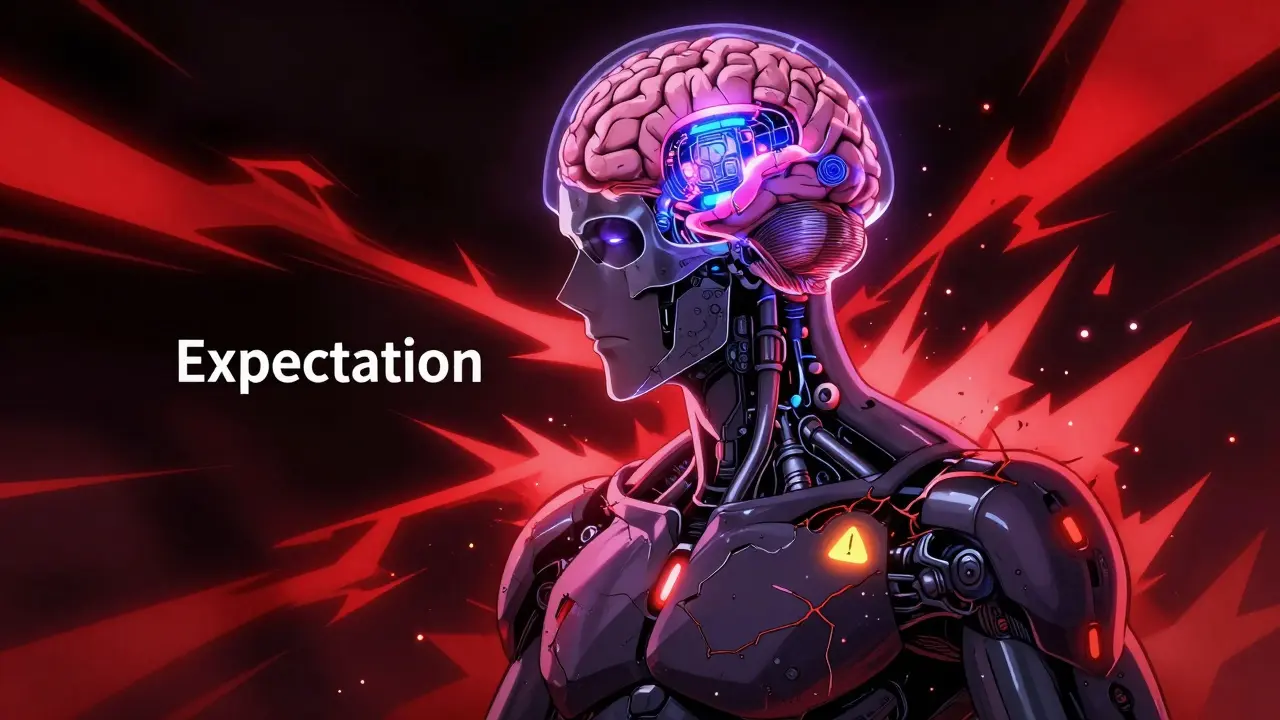
Nocebo Effect Susceptibility Checker
Answer these questions honestly to understand how prone you might be to experiencing negative symptoms due to expectations rather than the medication itself.
Your Nocebo Susceptibility Score
Key Factors Influencing Your Score:
Recommended Strategy:
You take a pill. You read the leaflet. You see a long list of potential headaches, nausea, and fatigue. Suddenly, you feel a headache coming on. Was it the chemistry in the tablet? Or was it the warning label? For millions of patients, the answer is surprisingly complex. It’s not just the drug acting on your body; it’s your brain reacting to what you expect.
This phenomenon is called the nocebo effect. It is the induction of negative symptoms or worsening conditions due to negative expectations about a treatment, even when the treatment itself is inert. While the placebo effect gets all the attention for making people feel better through belief, the nocebo effect is its darker twin. It makes people feel worse simply because they believe they will. Understanding this isn't just academic trivia; it explains why effective medications often fail, why patients stop taking life-saving drugs, and why switching from a brand-name pill to a generic can sometimes cause real physical distress-even if the ingredients are identical.
What Exactly Is the Nocebo Effect?
The word comes from Latin, meaning "I will harm." It is the direct opposite of the placebo effect. In clinical trials, researchers use placebos (sugar pills) to measure how much a drug actually works beyond natural healing or expectation. But here is the twist: when people take these inactive sugar pills, about 20% of them report side effects. Nearly 10% withdraw from the trial because they feel so bad.
If the pill contains nothing but starch, where do those side effects come from? They come from your mind. When you expect pain, nausea, or dizziness, your brain prepares your body for those sensations. It heightens your awareness of normal bodily noises-like a slight stomach gurgle or a minor muscle ache-and interprets them as serious side effects. This is a psychobiological response. It involves real changes in brain activity, specifically in areas like the anterior cingulate cortex and the insula, which process pain and internal body signals.
It is crucial to understand that nocebo symptoms are real. The patient isn't faking. Their body is producing genuine physiological responses driven by anxiety and expectation rather than chemical interaction with a drug molecule. However, because the trigger is psychological, these symptoms can often be managed or prevented with the right information and mindset.
Nocebo vs. Placebo: The Two Sides of Expectation
To grasp the nocebo effect, you have to look at its counterpart, the placebo effect. Both rely on the same mechanism: expectation. The difference lies in the direction of that expectation.
| Feature | Placebo Effect | Nocebo Effect |
|---|---|---|
| Expectation Type | Positive (Healing) | Negative (Harm) |
| Outcome | Improvement in symptoms | Worsening of symptoms or new side effects |
| Brain Mechanism | Activates reward pathways, releases endorphins | Activates threat pathways, increases stress hormones |
| Clinical Impact | Enhances drug efficacy | Reduces drug efficacy, increases discontinuation |
| Response to Info | Fueled by positive framing | Fueled by negative warnings |
In pain management studies, the contrast is stark. Positive expectations can double the effectiveness of an opioid like remifentanil. Negative expectations can completely eliminate its pain-relieving power. If a patient is told a drug might make their pain worse after the initial dose wears off, their brain essentially blocks the drug’s benefit. This shows that your mindset doesn't just color your experience; it actively modulates how your body processes medication.
Why Do We Experience Nocebo Symptoms?
The nocebo effect operates through three main pathways. Understanding these helps demystify why you might feel sick after starting a new prescription.
- Symptom Awareness: Your body always has background noise. A slight headache, some fatigue, or mild indigestion are common daily occurrences. When you start a new medication and read a scary list of side effects, your brain starts scanning for those specific signs. You notice the headache more intensely because you’re looking for it.
- Misattribution: You attribute normal, unrelated bodily functions to the drug. Did you eat something heavy last night? That bloating might be from dinner, but if you started a new pill this morning, you blame the pill.
- Amplification: Anxiety triggers the release of stress hormones like cortisol and adrenaline. These chemicals can genuinely cause physical symptoms like increased heart rate, sweating, or tension headaches. So, the fear of side effects creates the very side effects you feared.
Research suggests that between 26% and 50% of reported side effects during the first few days of medication may be attributable to nocebo mechanisms rather than the drug itself. This is especially true for common complaints like headache, nausea, and dizziness.

The Generic Drug Trap
One of the most common scenarios where the nocebo effect shines is during the switch from brand-name drugs to generics. Generics contain the exact same active ingredient, in the same dosage, and meet the same safety standards as the original brand. Chemically, they are bioequivalent.
Yet, many patients report feeling different. In New Zealand, when the government switched from a brand-name version of venlafaxine (an antidepressant) to a generic version in 2017, reports of adverse reactions initially stayed stable. But once media coverage highlighted the change and discussed potential issues, reports of side effects skyrocketed. Patients complained of withdrawal-like symptoms, mood swings, and physical discomfort. Since the active ingredient hadn’t changed, pharmacologists knew the chemistry wasn’t the culprit. The expectation of harm, fueled by public discourse, triggered a mass nocebo response.
This pattern repeats globally. On patient forums, you’ll often see posts like, "I switched to the generic sertraline and immediately got insomnia." When they switch back to the brand, the insomnia vanishes. The active molecule is identical. The difference is the psychological weight of the brand name versus the "cheap" generic. Believing the generic is inferior primes the brain to detect failure.
Who Is Most at Risk?
Not everyone experiences the nocebo effect equally. Certain groups are more susceptible to negative expectations shaping their physical reality.
- Women: Studies consistently show that women report 23% more medication side effects than men in placebo-controlled trials. This gap exists even when accounting for biological differences, suggesting a higher sensitivity to contextual cues and expectations.
- Anxious or Depressed Individuals: People with pre-existing anxiety disorders are 1.7 times more likely to experience nocebo effects. Their baseline state involves heightened threat detection, making them more prone to interpret bodily sensations as dangerous.
- Pessimists: Individuals with a generally negative outlook on health or treatment outcomes are more likely to anticipate problems.
- Highly Influenced Patients: Those who trust authority figures implicitly or are highly suggestible may absorb negative warnings more deeply.
If you fall into one of these categories, it doesn’t mean you’re weak. It means your brain is wired to pay close attention to environmental signals. Recognizing this susceptibility is the first step to managing it.
How Doctors and Pharmacies Can Help
The medical community is waking up to the power of nocebo. Historically, informed consent meant listing every possible risk, no matter how rare. This created "side effect checklists" that terrified patients. Modern guidelines are shifting toward balanced communication.
Instead of saying, "This drug can cause severe nausea and vomiting," a provider trained in nocebo mitigation might say, "Most people tolerate this drug well. A small number may experience some nausea, but it usually passes within a few days." This frames the risk accurately without priming the brain for disaster.
Healthcare systems are implementing training programs. In Europe, structured communication protocols that address nocebo mechanisms have reduced medication discontinuation rates by 18-22%. The key is transparency without alarmism. Patients need to know the risks, but they also need to understand the probabilities and the context.
What You Can Do: Managing Your Expectations
You have more control over the nocebo effect than you think. Here are practical steps to minimize negative expectations and maximize your medication’s benefits.
- Reframe the Information: When you read a medication leaflet, remember that it lists every side effect ever recorded, including those affecting 1 in 10,000 users. Ask your pharmacist: "What are the most common side effects I should actually expect?" Focus on the likely, not the extreme.
- Avoid Doom-Surfing: Reading horror stories online before starting a new drug is a recipe for nocebo. Online forums amplify negative anecdotes because happy patients rarely post. Stick to evidence-based sources.
- Practice Mindfulness: If you feel a symptom, pause. Ask yourself: "Is this new, or did I have this before?" Often, recognizing a sensation as familiar reduces its intensity. Meditation and breathing exercises can lower the baseline anxiety that fuels nocebo responses.
- Communicate Positively with Your Provider: Tell your doctor you are worried about side effects. A good provider will reassure you with data, not dismissal. Their confidence can become your confidence.
- Give It Time: Many nocebo symptoms fade as the novelty of the medication wears off and your brain stops hyper-focusing on it. Don’t quit immediately unless the symptoms are severe or persistent.
The Future of Medication Communication
The pharmaceutical industry and regulatory bodies are beginning to integrate nocebo science into policy. The World Health Organization has identified improving medication communication as a priority in its "Medication Without Harm" initiative. By 2030, experts predict that routine clinical practice will include standardized assessments for nocebo risk, especially for high-impact medications.
Open-label placebos-where patients are told they are taking a placebo but still experience benefit-are being studied as a way to harness expectation positively. While we can’t yet prescribe "positive thinking" as a drug, we can design healthcare interactions that support healing rather than hindering it.
The nocebo effect reminds us that medicine is not just chemistry; it’s psychology. Your brain is part of the treatment. By understanding how expectations shape your body, you can take an active role in your health, turning potential barriers into bridges for better outcomes.
Is the nocebo effect fake?
No, the nocebo effect is not fake. The symptoms experienced by patients are real physiological responses. Brain imaging shows actual changes in activity in pain and stress centers. The difference is that the trigger is psychological expectation rather than a chemical reaction to the drug's active ingredient.
Can the nocebo effect kill you?
While extremely rare, severe nocebo responses can lead to significant health issues. In extreme cases, intense anxiety and physiological stress can exacerbate underlying conditions. More commonly, it leads to medication non-adherence, where patients stop taking necessary drugs, leading to uncontrolled disease progression.
Why do generics cause side effects if they are the same?
Generics contain the same active ingredient as brand-name drugs. Any perceived side effects during a switch are often due to the nocebo effect. If a patient believes the generic is inferior or different, their brain may trigger symptoms like nausea or headaches. The chemical composition is identical, but the psychological expectation differs.
How can I tell if my side effects are nocebo or real?
It can be difficult to distinguish self-diagnosis. Real pharmacological side effects often follow a dose-response relationship (worse with higher doses). Nocebo effects often appear shortly after starting a drug or reading about side effects. If symptoms resolve quickly despite continued use, or if they match exactly what was warned about, nocebo may be involved. Always consult a doctor before stopping medication.
Does the nocebo effect work on everyone?
No, susceptibility varies. Women, individuals with anxiety or depression, and those with pessimistic outlooks are statistically more likely to experience nocebo effects. Personality traits like suggestibility also play a role. However, anyone can experience nocebo under the right conditions of negative expectation.
Can doctors prevent the nocebo effect?
Yes, through careful communication. Doctors can frame side effects positively, emphasizing rarity and manageability rather than just listing dangers. Training in nocebo-aware communication helps providers inform patients without triggering negative expectations. Balanced information reduces discontinuation rates significantly.