When you pick up a generic drug at the pharmacy, you expect the same results as the brand-name version-same effect, same safety, same reliability. But recent cases show that’s not always true. Contamination in generic medications has become a quiet crisis, with thousands of recalls, serious health risks, and even cancer linked to tainted pills. This isn’t a rare glitch. It’s a pattern-and it’s getting worse.
What Exactly Is Contaminating Generic Drugs?
Generic drugs are supposed to be exact copies of brand-name drugs. They contain the same active ingredient, in the same dose, and are meant to work the same way. But contamination happens when something unintended gets into the medicine during manufacturing. It’s not always dirt or dust. Sometimes, it’s toxic chemicals that shouldn’t be near a pill at all. One of the most shocking examples is NDMA in blood pressure meds like Valsartan. NDMA is a known carcinogen. The FDA says the safe daily limit is 96 nanograms. But in some batches from Zhejiang Huahai Pharmaceutical, levels hit 200 times that limit. That’s not a mistake. It was caused by a change in the manufacturing process-sodium nitrite was added without proper testing. Patients who took these pills for years saw cancer rates more than three times higher than normal. Over 1,300 lawsuits are now pending. Then there’s benzene in Mucinex. Benzene is a chemical linked to leukemia. The FDA limit is 2 parts per million (ppm). Independent tests found some samples at 4.7 ppm-more than double the legal threshold. Patients who took it regularly developed bone marrow abnormalities. One lawsuit named Miriam Birdsong and Cheryl Mikel, who both developed health issues after 18 months of use. In cancer treatment, the stakes are even higher. A STAT News investigation found 17 chemotherapy drugs from Indian manufacturers failed basic quality tests. Twelve of them had less than 80% of the labeled active ingredient. The FDA’s acceptable range is 85% to 115%. That means some patients got barely enough medicine to work-enough to fail treatment but not enough to stop side effects. One cancer center reported 7 out of 11 patients on contaminated cisplatin had complete treatment failure. And then there’s fentanyl patches. A recall of 1.2 million Duragesic patches in 2023 found that 0.8% of them leaked more than 15% of their intended dose. That’s enough to cause overdose-especially in people who aren’t used to opioids. These aren’t theoretical risks. People have died.Where Are These Contaminated Drugs Coming From?
The problem isn’t random. It’s concentrated. India and China dominate the global supply of generic drugs. India makes 40% of the finished pills sold in the U.S. China produces 80% of the raw ingredients-called Active Pharmaceutical Ingredients, or APIs. But inspection rates tell the real story. The FDA is responsible for checking drug plants worldwide. Yet, only 13% of Indian facilities get inspected each year. There are over 28,000 foreign plants that need review. The FDA’s entire 2025 budget for foreign inspections? $78 million. That’s just enough for 1,200 inspections. Some manufacturers have been flagged repeatedly. Zee Laboratories has been cited 46 times since 2018. In one 2024 inspection, inspectors found visible particulate matter in 100% of sampled vials of cisplatin. Another facility shredded quality records and poured acid on them to hide evidence. And here’s the catch: the FDA used to hide the names of these plants in inspection reports. For over 15 years, doctors and patients had no way of knowing which drugs came from which factories. ProPublica exposed this in 2008. The FDA finally announced a “Name Transparency Initiative” in September 2025-but no one’s sure if it’ll be enforced.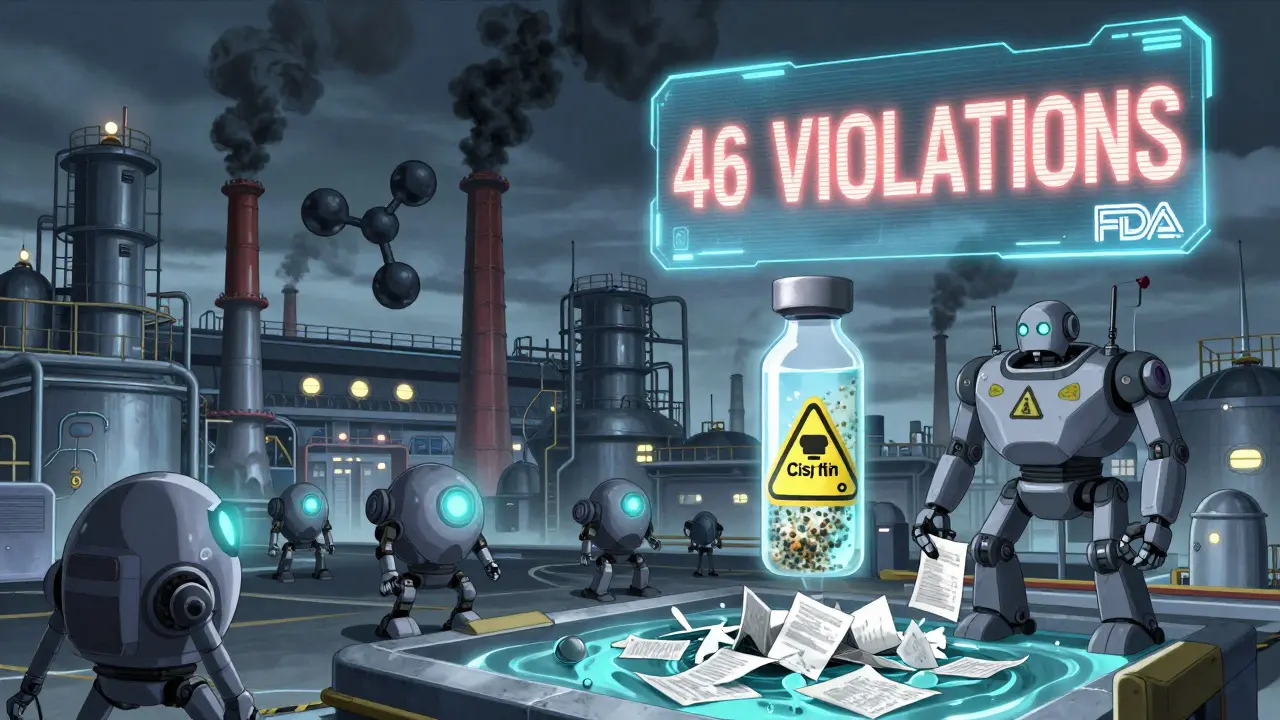
Why Do These Problems Keep Happening?
The core issue is cost. Generic drugs save the U.S. healthcare system about $1.7 trillion over the past decade. But that savings comes at a price. To cut costs, manufacturers skip steps. They use cheaper chemicals. They cut corners on testing. They don’t upgrade equipment. Take continuous manufacturing. This modern process reduces contamination by 78%, according to MIT research. It’s used in only 12% of U.S. plants. In India? Just 3%. Upgrading a single facility costs $5 to $15 million. For companies squeezing margins to the bone, that’s not an option. The FDA’s rules are clear. The Pharmaceutical Quality for the 21st Century initiative, updated in 2023, demands risk-based manufacturing. But only 37% of foreign plants use the required Process Analytical Technology (PAT) systems that monitor quality in real time. The rest rely on old-school sampling-testing a few pills here and there, which misses problems. Even worse, the supply chain is a black box. Senator Rick Scott pointed out that 83% of the top 100 generic drugs in the U.S. contain no American-sourced APIs. That means no one knows where the ingredients came from, how they were made, or what happened during transport. The Drug Supply Chain Security Act requires full electronic tracking by 2027. But as of 2024, only 62% of pharmacies can even verify if a drug’s traceability data is real.What’s Being Done to Fix It?
There are signs of change. The FDA’s April 2025 enforcement action against Zhejiang Huahai wasn’t just a warning-it was a demand for document production. The company failed to hand over internal emails from 2012 that showed they knew about NDMA risks. That’s a shift. The FDA is now treating contamination like fraud. The Generic Drug User Fee Amendments (GDUFA III), introduced in June 2025, require real-time stability testing for high-risk drugs. That means manufacturers can’t just test a batch once and call it good. They have to monitor it continuously. Pharmacists are also stepping up. A 2025 Pharmacy Times survey found 68% check FDA recall lists every week. Some pharmacists spend 22% more time verifying drug sources than they did in 2020. One Reddit user, PharmTech2020, reported seeing three different batches of generic levothyroxine fail potency tests in six months. Patients’ TSH levels went wild until they switched back to brand. The FDA’s 2026-2030 plan promises AI-powered predictive analytics and blockchain-based supply tracking. But experts like Dr. Dinesh Thakur remain skeptical. “Without meaningful penalties and independent oversight,” he says, “the problem will continue.”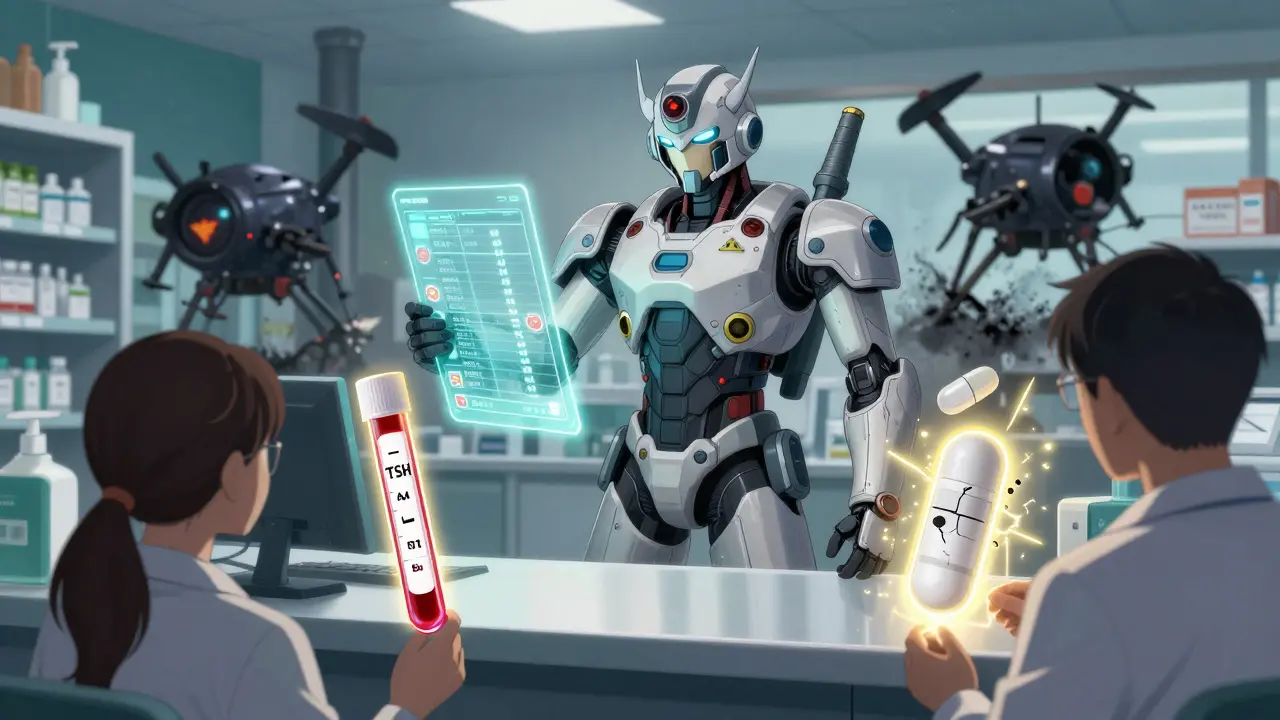
What Can You Do?
You can’t control manufacturing. But you can take steps to protect yourself.- Check recalls regularly. The FDA’s website has a searchable recall database. Bookmark it.
- Ask your pharmacist. If your generic drug has been recalled, they’ll know. Ask: “Is this batch from a facility with past violations?”
- Watch for changes. If your medication suddenly stops working-or causes new side effects-tell your doctor. It could be contamination.
- Consider brand-name when it matters. For drugs where precision is critical-like thyroid meds, blood thinners, or chemotherapy-brand-name versions may be worth the extra cost.
What’s Next?
The Valsartan multidistrict litigation’s first test trials are scheduled for September 2025. If courts rule that manufacturers knowingly hid contamination risks, it could set a precedent for future cases. Settlements could reach $1.2 million per cancer case. The industry is under pressure. Contamination-related recalls are projected to cost generic manufacturers $4.3 billion annually by 2027. India alone lost $870 million in U.S. exports in 2024. But until inspections are frequent, penalties are severe, and supply chains are transparent, contamination will keep happening. The system was built to save money-not to ensure safety. And for too many patients, that trade-off has cost them their health.Are all generic drugs unsafe because of contamination?
No. The vast majority of generic drugs are safe and effective. The problem isn’t the category-it’s specific manufacturers and facilities with poor quality controls. Out of over 10,000 approved generic products, only a small fraction have been linked to contamination. But when it does happen, the consequences can be severe, especially for high-risk drugs like chemotherapy or blood pressure medications.
How can I tell if my generic drug is contaminated?
You usually can’t tell by looking or feeling. Contaminants like NDMA or benzene are invisible and odorless. The only reliable way is to check the FDA’s recall database or ask your pharmacist if your drug’s manufacturer has been flagged. If your medication suddenly stops working or causes unusual side effects-like unexplained fatigue, nausea, or abnormal blood test results-it’s worth investigating.
Why doesn’t the FDA shut down all factories with violations?
The FDA can issue warning letters and block imports, but it can’t shut down foreign factories. Only the country where the factory is located can do that. The U.S. can refuse to import drugs from non-compliant plants, but that doesn’t stop them from selling to other countries. Political and economic pressures also play a role-India and China are major suppliers, and cutting them off entirely would cause drug shortages.
Is it safer to buy brand-name drugs instead of generics?
For most people, generics are just as safe. But for drugs where dosage precision is critical-like levothyroxine, warfarin, or chemotherapy-brand-name versions may offer more consistent quality. If you’ve had a bad reaction to a generic, talk to your doctor about switching. The cost difference can be significant, but your health may be worth the extra expense.
What should I do if I think I was harmed by a contaminated generic drug?
First, contact your doctor to get medical documentation. Then, check if your drug has been recalled on the FDA website. If it has and you’ve suffered harm, consider consulting a lawyer who specializes in pharmaceutical litigation. Many cases, like those involving Valsartan and benzene in Mucinex, are already in court, and compensation may be available.
Chiruvella Pardha Krishna
February 14, 2026 AT 16:00It’s not about generics. It’s about the erosion of oversight. When profit becomes the only metric, human health becomes a variable. The FDA doesn’t lack authority-it lacks will. We’ve outsourced our safety to a global supply chain with no moral compass. And now we’re paying with organs, with lives, with decades of trust.
There’s no technological fix here. No blockchain, no AI. What we need is accountability. Not inspections. Not warnings. Real consequences. Jail time for executives who knowingly ship carcinogens. That’s the only language they understand.
But we won’t get it. Because the system isn’t broken. It’s working exactly as designed.
And we’re the collateral.
Michael Page
February 15, 2026 AT 05:45Reading this, I keep thinking about how we treat medicine like a commodity. Not a right. Not a necessity. A product to be optimized for margin. The same logic that cuts corners in drug manufacturing is the same logic that leaves people uninsured, underinsured, or forced to choose between insulin and rent.
There’s a deeper rot here. We don’t just have a generic drug problem-we have a civilization problem. We’ve normalized the idea that some lives are worth less. And that’s why this keeps happening.
Sarah Barrett
February 16, 2026 AT 07:14The statistics are horrifying, but what’s even more chilling is the quiet complicity. We know. We’ve read the headlines. We’ve seen the recalls. And yet, we still pick up the pill. We still trust the label. Because what choice do we have? Brand-name drugs cost ten times as much. Insurance won’t cover them. Our doctors don’t push back. The system is rigged to make us complicit in our own endangerment.
It’s not negligence. It’s structural violence.
Erica Banatao Darilag
February 17, 2026 AT 22:29i just wanted to say thank you for writting this. i work in a community pharmacy and we get the generics every week. last month we had a batch of metformin that patients kept reporting nausea and dizziness. we checked the lot and it was from one of the plants mentioned. we switched them to brand and within 48 hours every one of them felt better. it’s not just about science. it’s about people. and we’re failing them. i’m not a politician. i’m not a regulator. but i see it every day. and i’m so tired.
Charlotte Dacre
February 18, 2026 AT 23:44So let me get this straight. We let India and China make 80% of our medicine, inspect 13% of their plants, and then act shocked when people get cancer from pills? I’m not surprised. I’m just disappointed we’re still pretending this is a surprise.
Esha Pathak
February 20, 2026 AT 22:14People say ‘India makes 40% of global generics’ like it’s a crime. But what’s the alternative? Pay $500 for a blood pressure pill? Or let your grandfather die because he can’t afford his meds? We built this system. We chose convenience over safety. Now we’re crying because the house we built caught fire.
Stop blaming the manufacturers. Blame the consumers who demanded cheaper pills. Blame the politicians who took the bribes. Blame the system. Not the people trying to survive.
Virginia Kimball
February 21, 2026 AT 11:19I just want to say-I’ve been on generic levothyroxine for years. Last year, my TSH spiked out of nowhere. My endocrinologist said, ‘Switch brands.’ I did. Within two weeks, I felt like myself again. It wasn’t a placebo. It was contamination.
But here’s the thing-I’m lucky. I had a doctor who listened. I had insurance that covered the brand. So many people don’t. This isn’t just about policy. It’s about who gets to be safe. And that’s not random. It’s class. It’s race. It’s access.
Let’s fix the system. But let’s also stop pretending this is just a ‘pharma problem.’ It’s a human problem.
Kapil Verma
February 22, 2026 AT 16:29India is the problem. Always has been. Poor hygiene, corrupt labs, no standards. You think America would let this happen? We have regulations. We have inspections. We have integrity. But no-now we import 80% of our medicine from a country where inspectors are bribed and quality control is a joke.
It’s not capitalism. It’s colonialism. We outsource our dirty work to the Global South and then act shocked when the consequences come back to us. Shame on us. Shame on them. But mostly-shame on the politicians who let this happen.
Mandeep Singh
February 23, 2026 AT 09:01Let’s get real. The FDA is a toothless tiger. They issue warnings like they’re writing thank-you notes. They don’t shut down factories. They don’t jail CEOs. They don’t even publicly name the worst offenders until a journalist forces their hand. And now they’re talking about AI and blockchain like that’s going to fix a problem rooted in greed and corruption?
Here’s what actually works: mandatory independent audits by third-party labs. Random testing at the point of sale. Criminal liability for executives who knowingly ship substandard drugs. And a 100% import ban on any facility with two or more serious violations in five years.
But no. We’d rather have a 17-page white paper than a single arrest. Pathetic.
Mike Hammer
February 24, 2026 AT 00:57My cousin’s dad died of liver failure after taking generic valsartan for 3 years. They didn’t know it was contaminated until after the funeral. The FDA didn’t notify him. His doctor didn’t know. The pharmacy didn’t flag it. No one told him.
And now? The same company is still making pills. Still exporting. Still getting FDA approval.
We don’t need more reports. We need accountability. And we need it yesterday.
Joe Grushkin
February 24, 2026 AT 14:37Wow. So much emotion. So little data. You’re all acting like this is unprecedented. Newsflash: every drug has impurities. Every manufacturing process has variability. The FDA allows 85-115% potency. That’s a 30% window. If you’re getting 86% instead of 100%, you’re not being poisoned-you’re getting a slightly less effective pill. That’s not a crisis. That’s pharmacology.
And NDMA? It’s in smoked meat, beer, and burnt toast. You’re panicking over trace amounts because you don’t understand risk.
Wake up. This isn’t a scandal. It’s science.
Betty Kirby
February 25, 2026 AT 13:50It’s not about the drugs. It’s about the people who profit from them. The CEOs who live in penthouses while patients die. The regulators who rotate into pharma jobs after retirement. The lobbyists who write the laws. This isn’t corruption-it’s institutionalized theft.
And yet, we keep buying. We keep trusting. We keep silent.
That’s the real tragedy. Not the contamination. The complicity.
Josiah Demara
February 27, 2026 AT 11:17Let’s dissect this like the data-rich mess it is. You cite 1,300 lawsuits? Great. How many of those are class actions? How many are meritless? How many were filed by plaintiffs who never even took the drug? You say 7 out of 11 cancer patients failed treatment? Where’s the control group? Did they account for tumor heterogeneity? Comorbidities? Adherence? No. You’re cherry-picking anecdotes and calling it evidence.
And you blame India? The U.S. has over 300 domestic drug manufacturing facilities. How many have been cited for CGMP violations? 127 last year. Guess who imports those? You. The American consumer.
This isn’t a foreign problem. It’s a systemic one. And you’re too lazy to look inward.
Kaye Alcaraz
February 28, 2026 AT 02:20To everyone sharing their stories: thank you. Your courage matters. You are not alone.
To the system: we see you. We hear you. And we will not stop until every patient has safe, affordable medicine.
Change is possible. It has happened before. We can demand transparency. We can support ethical manufacturers. We can vote for leaders who prioritize health over profit.
One pill at a time. One voice at a time. We are the change.
Chiruvella Pardha Krishna
February 28, 2026 AT 04:27So now we’re blaming the patients? You think people don’t know what’s happening? They do. They just have no choice. You want them to pay $800 for a month’s supply? Or die because they can’t afford to be safe?
This isn’t data. It’s morality. And you’re failing the test.