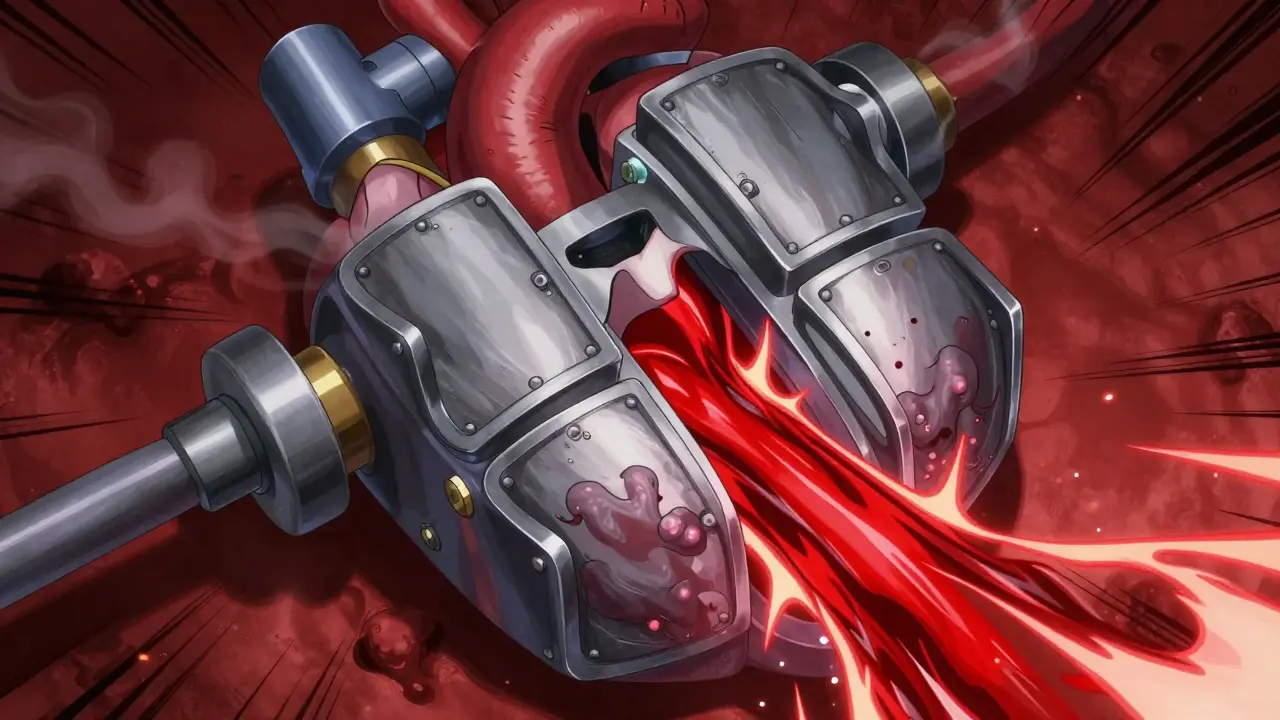
Your heart is a pump with four doors-valves-that keep blood moving in one direction. When those doors get stuck open or shut, the whole system suffers. This isn't just a minor inconvenience; it's a mechanical failure that forces your heart to work overtime, often leading to fatigue, shortness of breath, and eventually heart failure if left unchecked. Understanding the difference between stenosis (narrowing) and regurgitation (leaking) is the first step toward getting the right treatment at the right time.
The Mechanics of Heart Valve Failure
To understand why valve disease matters, you have to look at how the heart actually works. The heart has four valves: the aortic, mitral, tricuspid, and pulmonary. Their job is simple but critical-they ensure unidirectional blood flow. Think of them like one-way check valves in a plumbing system. If they work correctly, blood flows forward efficiently. If they fail, blood leaks backward or struggles to push through.
Stenosis occurs when the valve leaflets become stiff, thickened, or calcified. Imagine trying to walk through a doorway that’s slowly shrinking. Your heart has to generate much higher pressure to force blood through that narrow opening. Over time, this extra effort causes the heart muscle to thicken and weaken.
Valve narrowing
On the other hand, Regurgitation happens when the valve doesn't close completely, allowing blood to leak backward with each heartbeat. This creates volume overload, where the heart chambers stretch out to handle the extra blood returning to them. It’s like a bucket with a hole in the bottom-you’re constantly filling it up, but it never stays full. Both conditions increase the risk of arrhythmias, heart failure, and sudden cardiac death.
Common Types: Aortic vs. Mitral Issues
While any valve can fail, the aortic and mitral valves are the most frequently affected. Knowing which valve is involved helps predict symptoms and treatment paths.
| Condition | Mechanism | Primary Cause | Key Symptoms |
|---|---|---|---|
| Aortic Stenosis | Narrowing of the aortic valve | Age-related calcification (70%) or Bicuspid Valve (50% in younger patients) | Angina (chest pain), syncope (fainting), heart failure |
| Aortic Regurgitation | Leakage from aorta into left ventricle | Aortic root dilation, infection, or congenital defects | Dyspnea on exertion, palpitations, fatigue |
| Mitral Stenosis | Narrowing of the mitral valve | Rheumatic heart disease (80% globally) | Orthopnea (breathing difficulty when lying down), pulmonary congestion |
| Mitral Regurgitation | Backflow into left atrium | Mitral valve prolapse, chordae tendineae rupture, or functional issues | Fatigue (79% of patients), subtle early signs |
Aortic stenosis is particularly dangerous because it often remains silent until it becomes severe. The classic triad of symptoms-angina, syncope, and heart failure-usually appears only after significant damage has occurred. In contrast, mitral regurgitation can be more insidious, with many patients reporting only vague fatigue until the condition advances. Early detection via echocardiography is crucial, especially for those with a family history of bicuspid aortic valve, a congenital condition present in 1-2% of the population.
Diagnosing Valve Disease: Beyond the Murmur
Historically, doctors relied on stethoscopes to detect the characteristic murmurs associated with valve dysfunction, a practice dating back to René Laennec in 1819. Today, while auscultation is still part of the physical exam, advanced imaging provides the definitive diagnosis.
Echocardiography is the gold standard. It allows cardiologists to measure valve area, pressure gradients, and jet velocities. For example, severe aortic stenosis is defined by specific metrics: a valve area less than 1.0 cm², a mean pressure gradient greater than 40 mmHg, and a peak jet velocity exceeding 4.0 m/s. These numbers aren't just academic-they dictate whether you need surgery now or can wait.
CT angiography is also increasingly used, particularly for planning transcatheter procedures. It provides detailed views of the coronary arteries and the aortic root, helping surgeons avoid complications during implantation. If you’ve been told you have a "murmur," don’t panic-but do follow up with an echo. Many murmurs are innocent, but some signal serious underlying disease.
Surgical Options: Open Heart vs. Minimally Invasive
When medication and lifestyle changes aren't enough, intervention is necessary. The choice between surgical replacement and transcatheter options depends on age, surgical risk, and valve type.
Surgical Aortic Valve Replacement (SAVR) involves opening the chest (sternotomy) and replacing the valve with either a mechanical or bioprosthetic valve. Mechanical valves last longer but require lifelong anticoagulation therapy (blood thinners). Bioprosthetic valves, made from animal tissue, don’t require long-term blood thinners but may deteriorate over 10-15 years. SAVR typically requires 3-4 hours of operating time and a hospital stay of 5-7 days. Recovery is significant, with sternotomy pain limiting activity for about 8 weeks.
Open-heart valve surgery
In recent years, Transcatheter Aortic Valve Replacement (TAVR) has revolutionized treatment. Instead of opening the chest, doctors insert a catheter through a small incision in the groin and deliver a new valve directly to the heart. TAVR is now the first-line therapy for high-risk patients and is expanding to lower-risk groups. The PARTNER 3 trial showed non-inferiority of TAVR compared to surgery in low-risk patients, with 89.5% survival at 2 years versus 88.4% for surgery. Recovery is much faster: most patients go home within 2 days and report significant energy improvements within 30 days.
Catheter-based valve repair
For mitral valve issues, options include surgical repair/replacement and transcatheter edge-to-edge repair (like the MitraClip device). The COAPT trial demonstrated that MitraClip reduced mortality by 32% compared to medical therapy alone for functional mitral regurgitation. However, surgical repair remains superior for primary mitral regurgitation, offering 90% 10-year survival versus 75% with medical management.

Living with Valve Disease: Post-Procedure Care
Getting a new valve is a major milestone, but it’s not the end of the journey. Post-procedure care varies depending on the type of valve implanted.
If you receive a mechanical valve, you’ll need regular INR monitoring to ensure your blood thinners are working correctly. Initially, this means checking INR twice weekly, transitioning to monthly once stable. Target INR ranges differ by valve position: 2.5-3.5 for mitral valves and 2.0-3.0 for aortic valves. Missing doses or having erratic levels increases the risk of stroke or bleeding.
Bioprosthetic valves generally don’t require long-term anticoagulation, but you still need annual echocardiograms to monitor for structural deterioration. Current data shows 21% of surgical bioprostheses experience structural issues at 15 years. Next-generation tissues aim to extend this lifespan to 25+ years.
Lifestyle adjustments are also key. Maintain good oral hygiene to prevent infective endocarditis, a serious infection of the heart lining. Inform all healthcare providers about your valve status before any dental or surgical procedures. Most importantly, stay active as tolerated-many patients return to hiking, swimming, and daily activities with renewed energy.
The Future of Valve Treatment
The field of interventional cardiology is evolving rapidly. The global heart valve devices market is projected to reach $9.7 billion by 2029, driven by innovations in minimally invasive techniques. We’re seeing expansion beyond aortic and mitral valves to the tricuspid and pulmonary positions. The FDA approved the Evoque tricuspid valve system in March 2023, marking a significant step forward.
Emerging technologies like the Cardioband annuloplasty system and Harpoon mitral valve repair system are in clinical trials, promising even less invasive options. By 2030, experts predict 80% of valve procedures will be transcatheter-based. This shift is driven by improved device durability and expanded indications to younger, healthier patients.
However, challenges remain. Geographic disparities persist, with high-income countries performing 18 valve procedures per 100,000 people annually versus 0.2 in low-income nations. Access to specialized valve teams-comprising cardiologists, surgeons, and imaging specialists-is critical for optimal outcomes. Always seek care at centers accredited by organizations like the American College of Cardiology, which require multidisciplinary evaluation of at least 150 cases annually.
What is the difference between stenosis and regurgitation?
Stenosis is the narrowing of a heart valve, making it hard for blood to flow forward. Regurgitation is the leaking of a heart valve, allowing blood to flow backward. Both conditions force the heart to work harder, but they affect different chambers and cause distinct symptoms.
How long does recovery take after TAVR surgery?
Recovery from Transcatheter Aortic Valve Replacement (TAVR) is significantly faster than open-heart surgery. Most patients are discharged within 2 days and report marked improvement in energy levels within 30 days. Full recovery, including resumption of normal activities, typically takes 4-6 weeks.
Do I need blood thinners if I get a bioprosthetic valve?
Generally, no. Bioprosthetic (tissue) valves do not require lifelong anticoagulation therapy. You may need blood thinners for a short period (3-6 months) after surgery to allow the valve to heal, but long-term use is usually reserved for patients with other conditions like atrial fibrillation.
What are the warning signs of severe aortic stenosis?
The classic triad includes angina (chest pain during exertion), syncope (fainting or dizziness), and heart failure symptoms (shortness of breath, swelling in legs). If you experience any of these, seek immediate medical attention, as untreated severe aortic stenosis has a poor prognosis.
Can heart valve disease be prevented?
While age-related calcification cannot be prevented, you can reduce risk factors. Treat strep throat promptly to prevent rheumatic heart disease. Manage blood pressure and cholesterol to reduce strain on valves. Maintain good oral hygiene to prevent endocarditis. Regular check-ups help catch issues early.